RenewED
A GhaLLA Educational and Leadership Journal
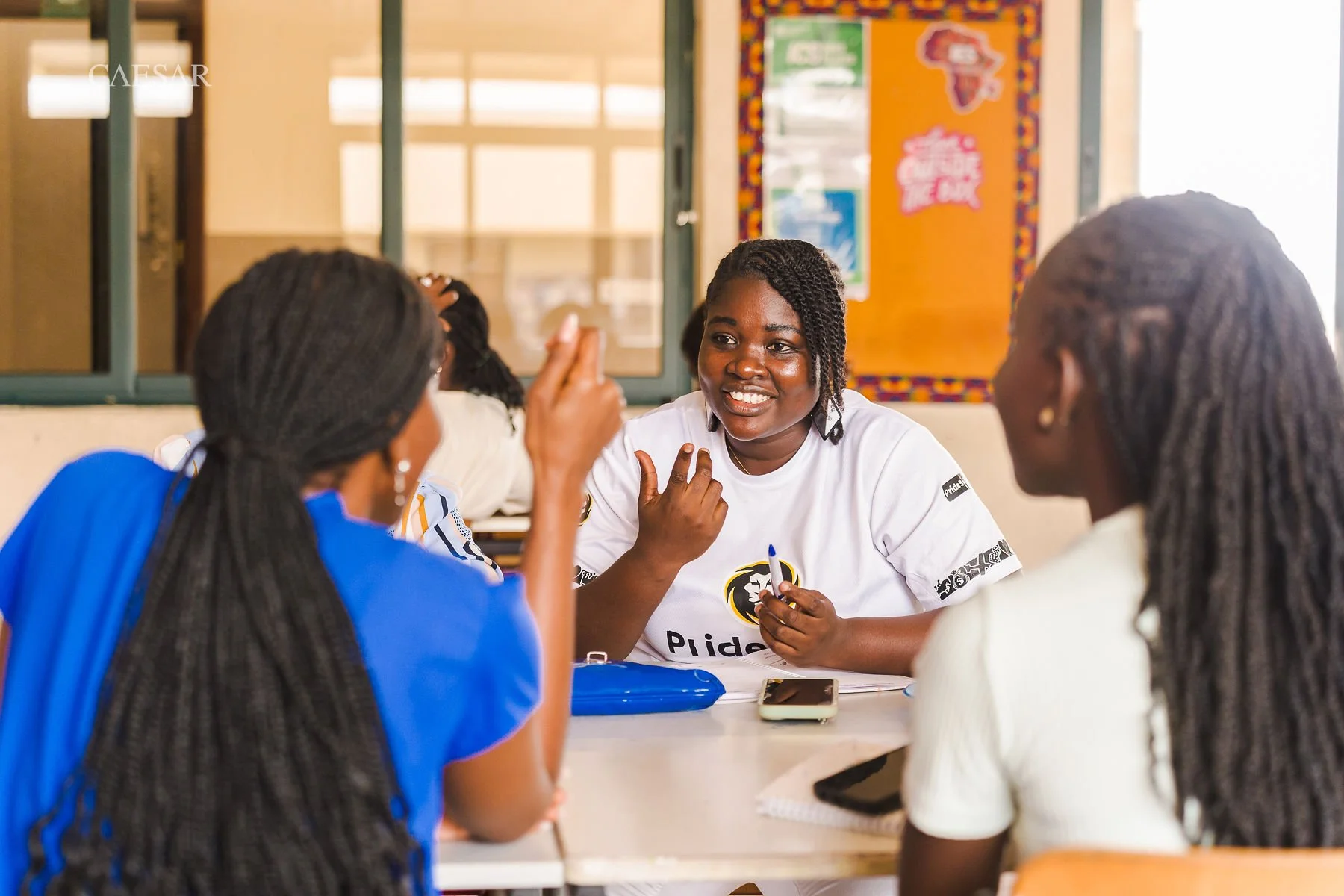
RenewED is a bold platform dedicated to sparking insightful discussions and sharing actionable knowledge among educators. Our publication amplifies the voices of teachers, lecturers, and education leaders—featuring a diverse range of articles written by educators for educators that tackle contemporary trends, persistent challenges, and proven best practices in K–12 and higher education.
Grounded in the Ghanaian context and reaching across Africa and the Diaspora, RenewED equips practitioners with practical strategies, critical reflections, and innovative approaches to transform classrooms, institutions, and policy conversations.
The journal bridges the gap between research and practice, creating space for locally grounded knowledge and perspectives that contribute to conversations on the future of education in Ghana and beyond.
Published Editions
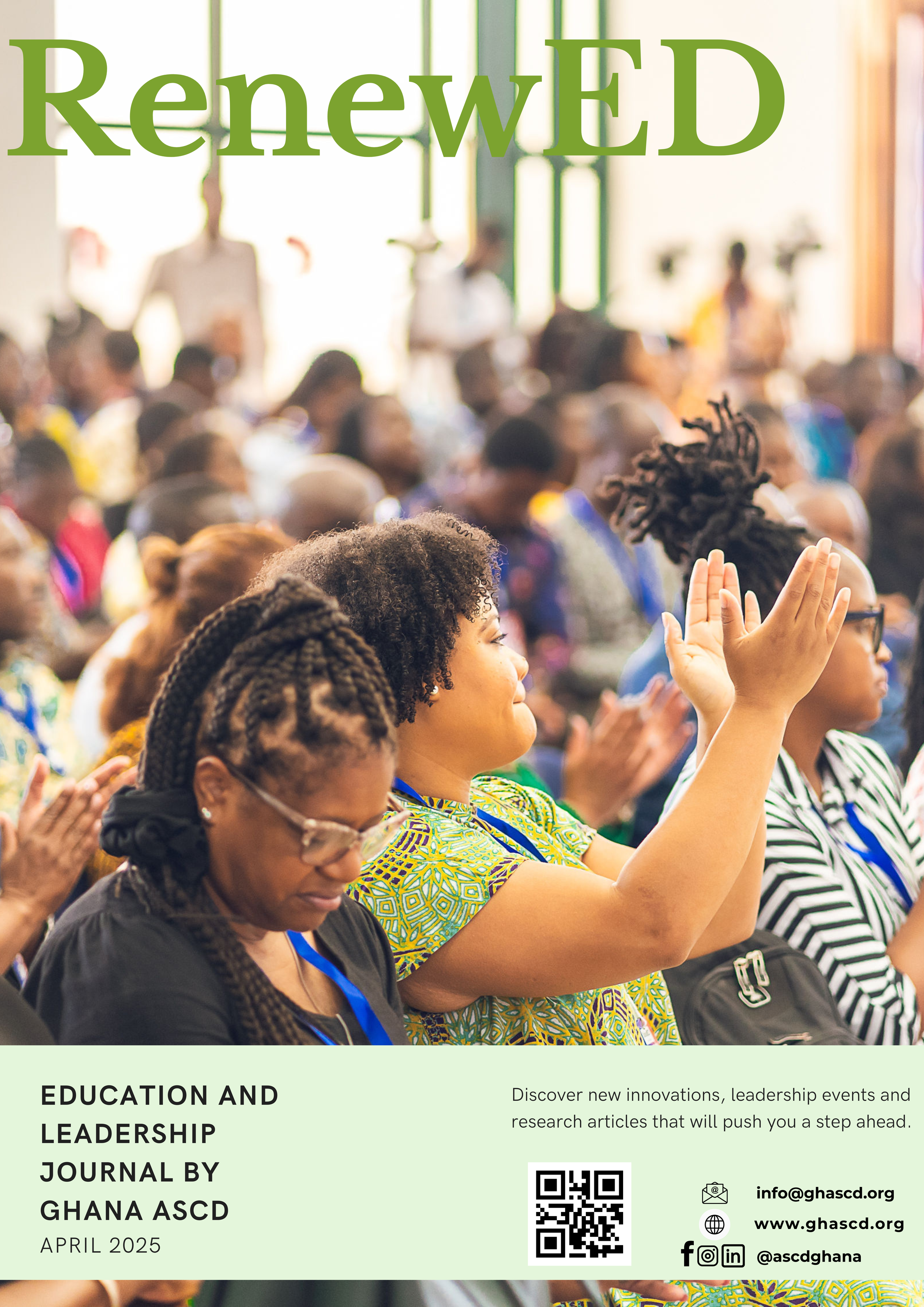
April 2025
Read or Download Here
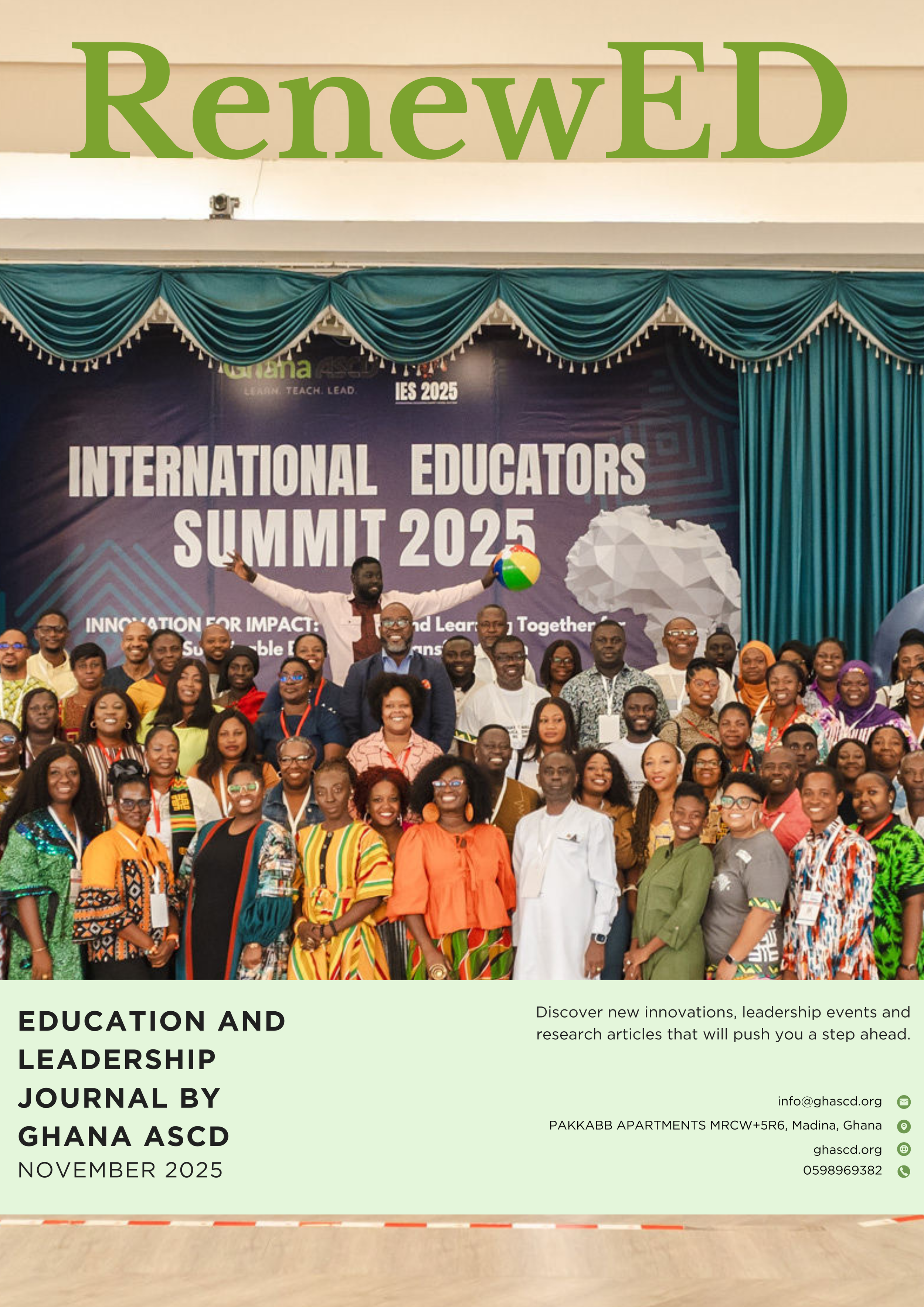
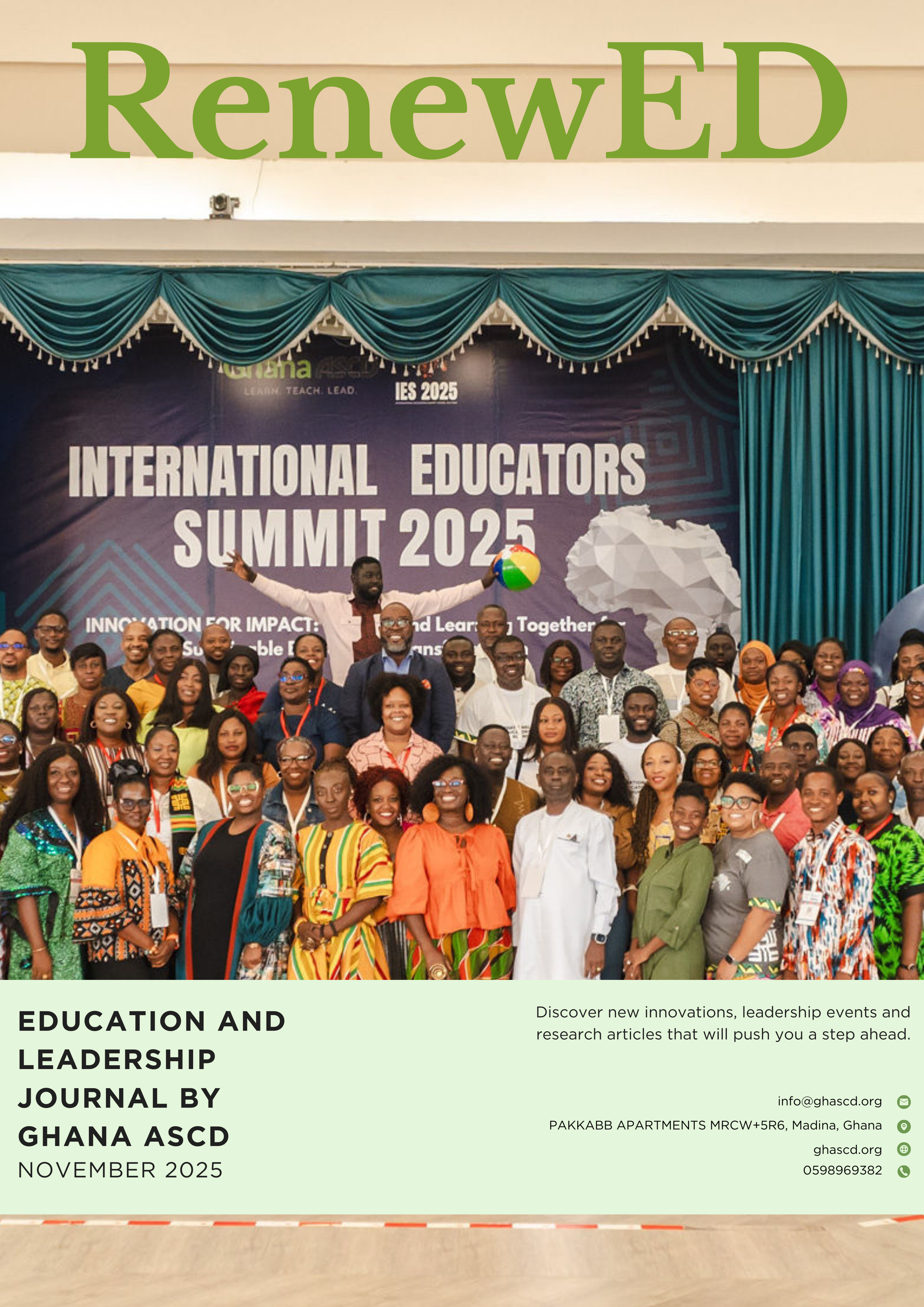
November 2025
Read or Download Here
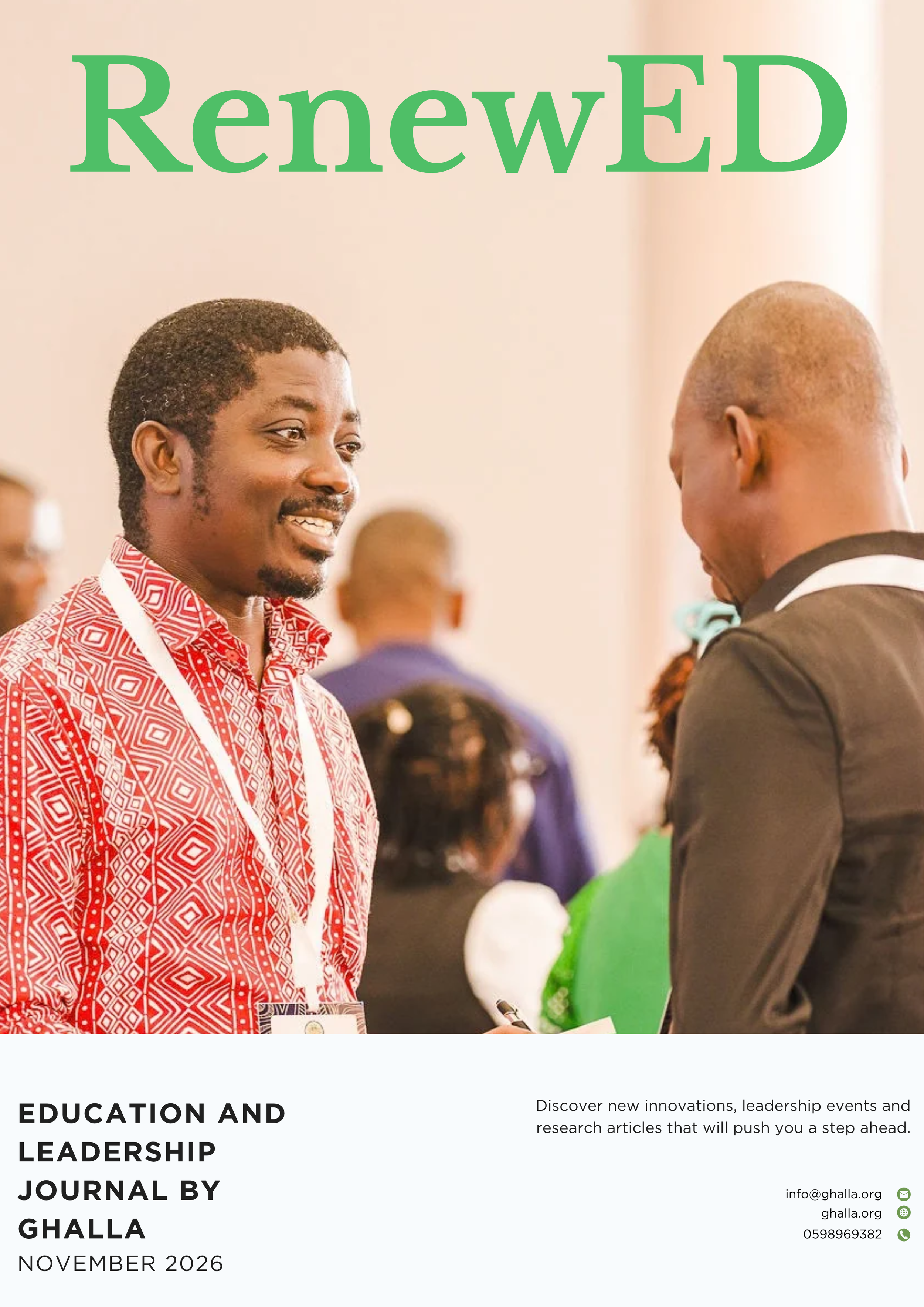
November 2026
Read or Download Here
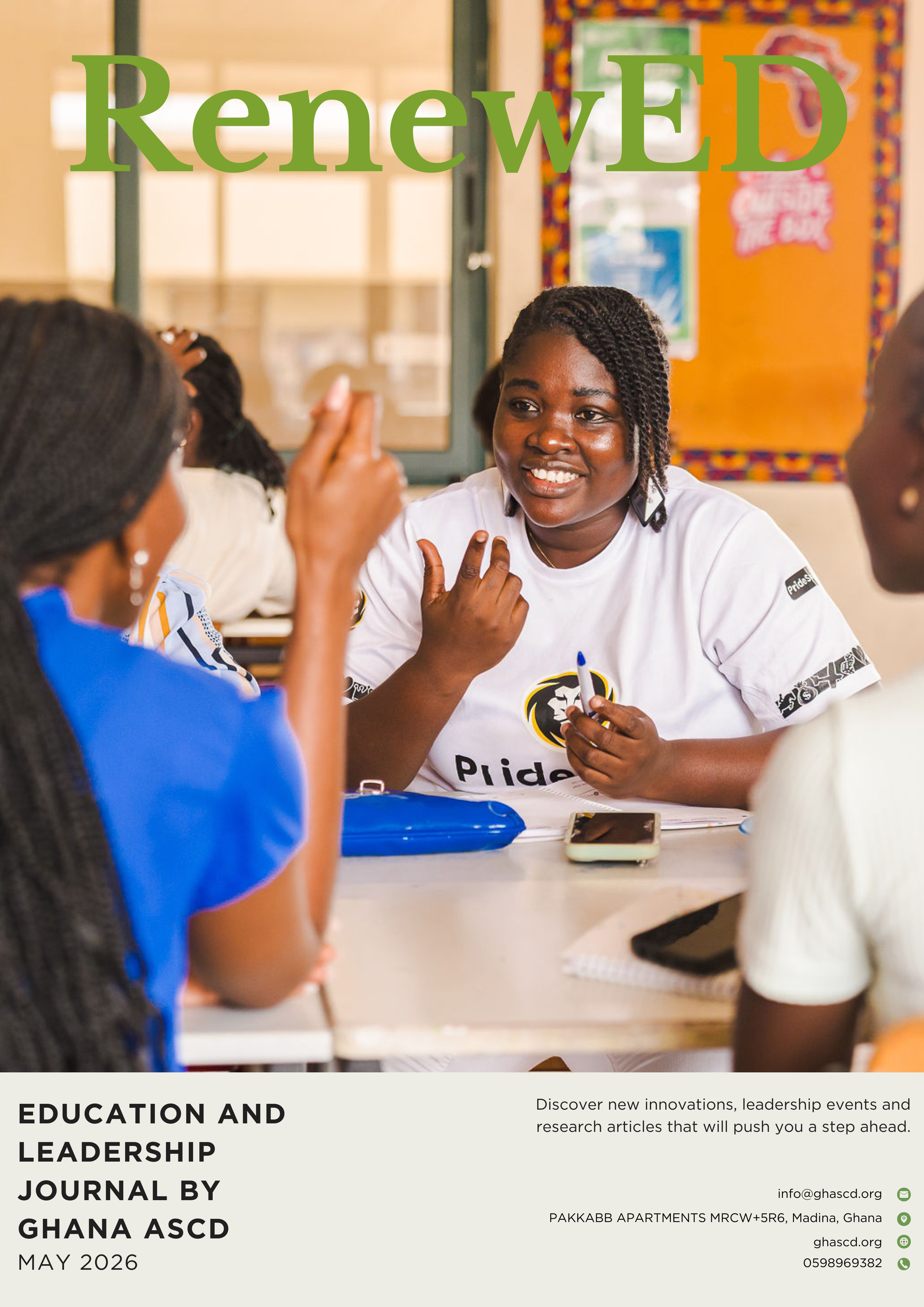
May 2026
Read or Download Here
Call for Submissions
Educating at the Edge of Change: Teaching and Leading Through Rapid Innovation
Educators today are teaching and leading through change that arrives faster than any curriculum cycle, policy update, or professional development calendar can anticipate. Artificial intelligence is reshaping how students write, research, and think. Curriculum reforms ask teachers to adopt new practices while still mastering the last ones. School leaders are making consequential decisions with incomplete information, and educators everywhere are asking how to keep their footing and their students' wellbeing at the center of it all.
In 2027, RenewED will devote its full volume to this theme, in conversation with GhaLLA's third International Educators Summit, Educating at the Edge of Change, taking place in Accra from July 15 to 17, 2027. The volume unfolds in two issues:
Issue 1, Questions at the Edge (published before the Summit): This issue will surface the questions, dilemmas, and emerging practices educators are navigating right now. We invite writing that names what is changing in your classroom, school, or system and shares how you are responding.
Issue 2, Learning from the Edge (published after the Summit): This issue will document what emerges from the Summit and the months surrounding it. We especially welcome articles from Summit presenters, participants, and partners, including collaborative pieces that extend conversations begun in Accra.
We are particularly interested in practitioner-authored pieces that move between evidence and experience: articles grounded in real classrooms, real schools, and real dilemmas. Submissions may take the form of reflective essays, case studies, practitioner research, or collaborative accounts of practice. We especially encourage work centered on Ghanaian, African, and African diasporic contexts, as well as writing that bridges continental and diaspora perspectives.
Authors are invited to write toward one of the six Summit strands. The questions below offer starting points:
Inclusion: How are you designing learning that serves students with diverse learning needs, and what are you doing to advance gender parity in your classroom or school?
Learning Design: How are curriculum, instruction, and assessment evolving in your context, and how are you implementing reform in ways that honor both policy goals and classroom realities?
EdTech & AI: Preparing Learners for What's Next: How are you making decisions about AI and emerging technologies, and how are you helping students build the judgment, curiosity, and ethical reasoning they need for life beyond school?
Community-connected Leadership: How are you developing leaders within your school and building trust with your community through uncertainty, and what practices sustain educator wellbeing when the pace of change feels relentless?
Student Voice: Where are students exercising real agency, from the classroom to the community, including in choosing their own learning pathways and work-based experiences, and what made that possible?
Community Partnership: Industry, TVET & Higher Education: How are schools partnering with industry, technical and vocational institutions, and universities to connect learning to work, and what makes those partnerships last?
SUBMISSION GUIDELINES
Length: Articles may be up to 2,000 words.
Originality: Submit original work that has not been published elsewhere.
Clarity: Write in a clear, engaging style that speaks directly to fellow educators.
Accessible language: Use plain language that welcomes a wide audience.
Citations: When you reference external sources, include them in a reference list at the end of your article.
Please note:
We review complete manuscripts, ready for editorial consideration.
Begin directly with your article; abstracts and summaries can be left out.
We welcome many forms of writing and most often publish practitioner essays, case studies, and accounts of practice.
If your article is accepted by another publication while under review with us, please let us know promptly.
We welcome submissions from across the continent and diaspora and are committed to centering the voices and experiences of Ghanaian educators. Educators outside Ghana are warmly encouraged to partner with a Ghanaian colleague on a collaboratively written article.
DEADLINES
Issue 1, Questions at the Edge: February 5, 2027
Issue 2, Learning from the Edge: August 31, 2027
Submit to: ghallasubmissions@gmail.com