National Educators Conference 2026
July 18, 2026 | 8:00am- 5:00 pm | International Community School- Madina, Accra, Ghana
Future Forward: Scaling Innovation through Action and Inquiry
The National Educators Conference provides a national platform for new, innovative ideas in education, with a commitment to supporting presenters who are engaged in innovation, eager to explore the problems of practice they are working on with others, and excited to share what they are learning.
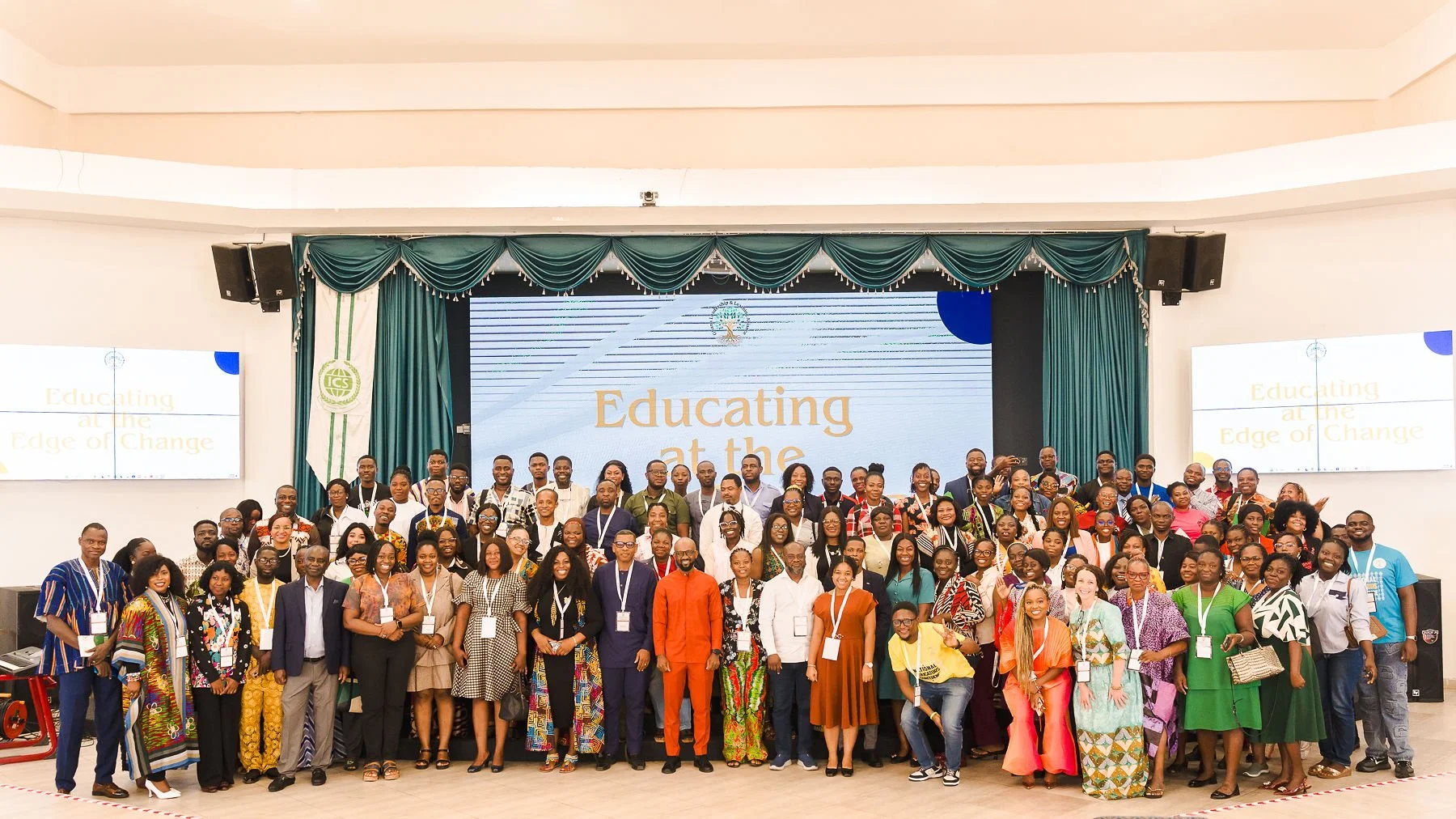
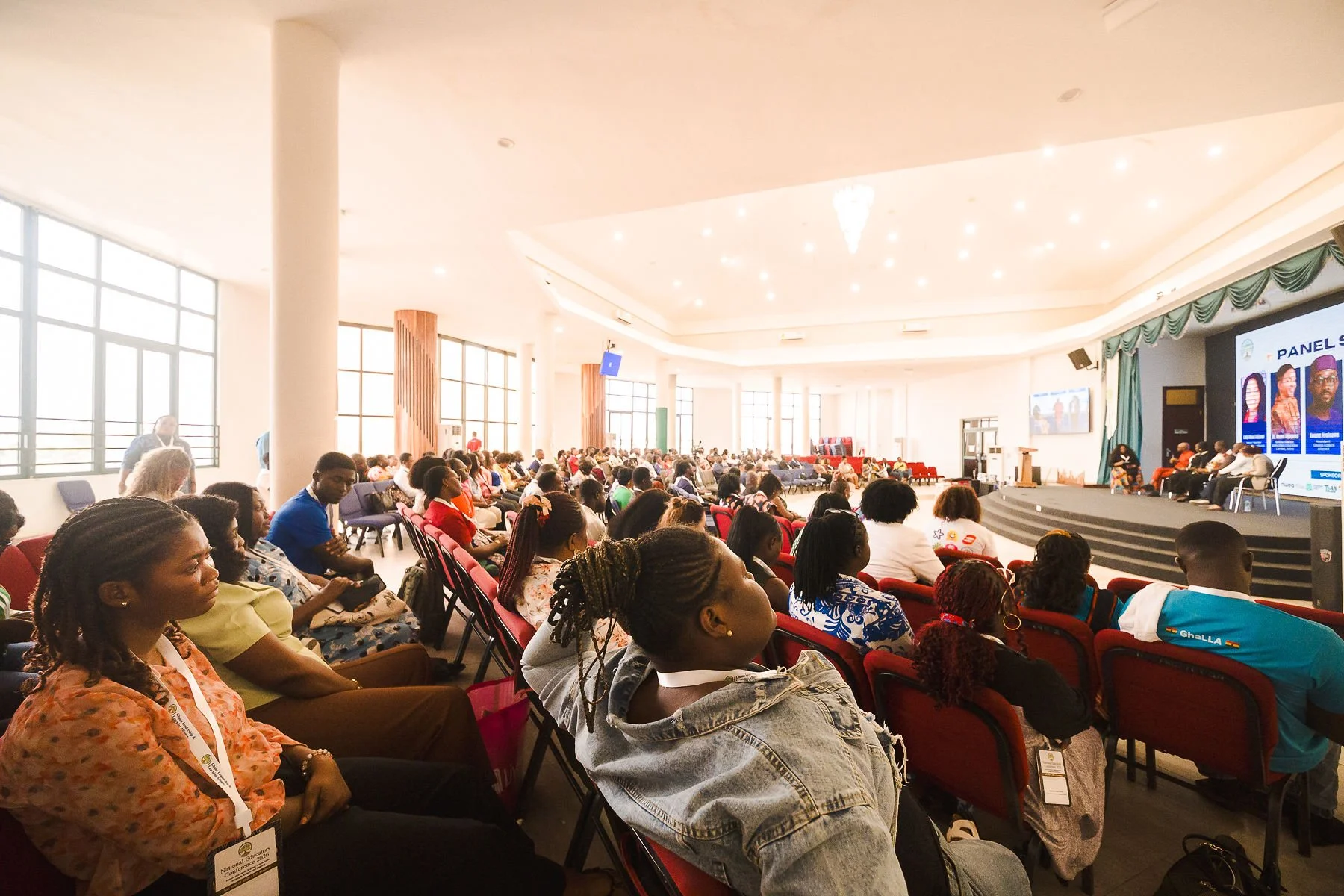
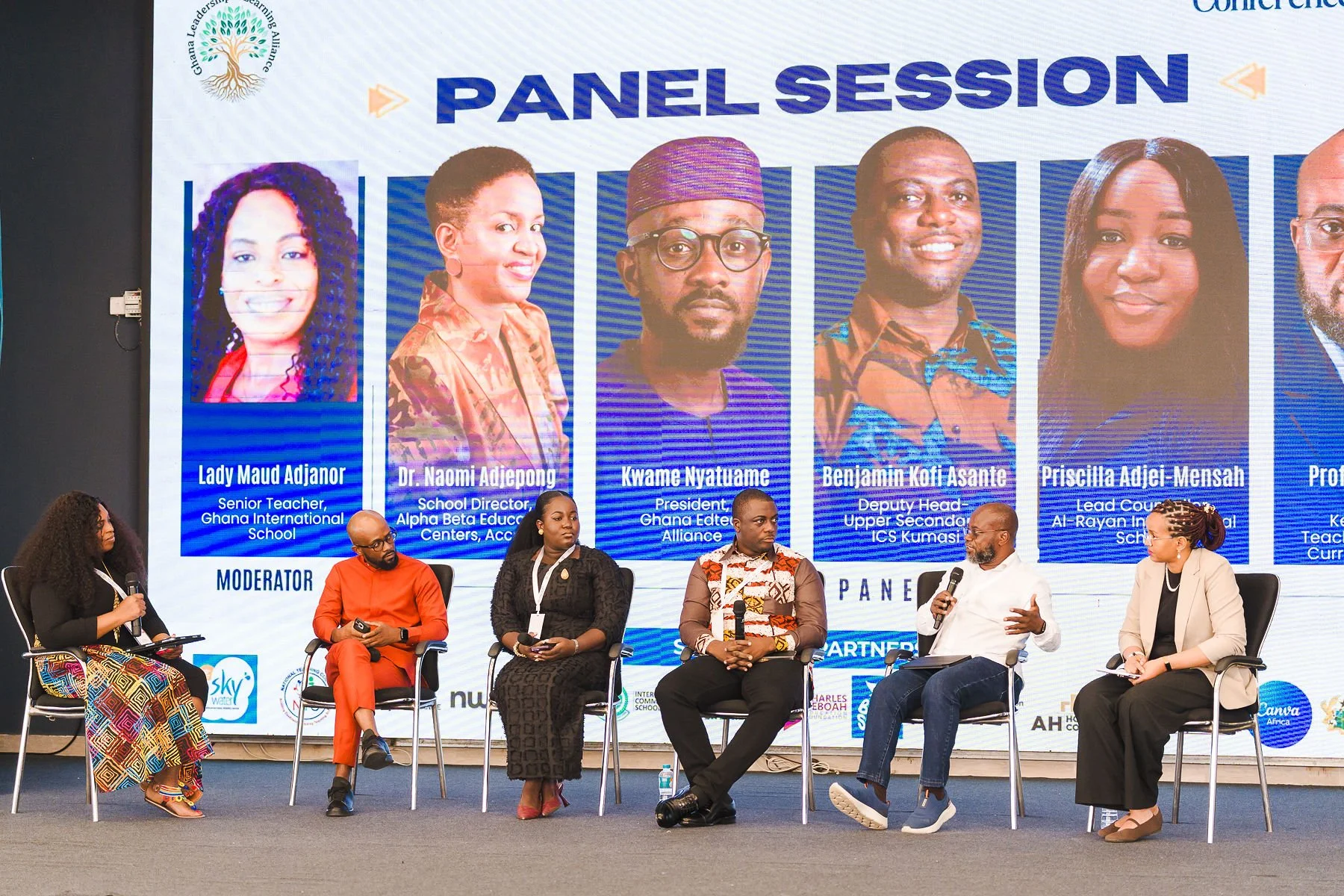



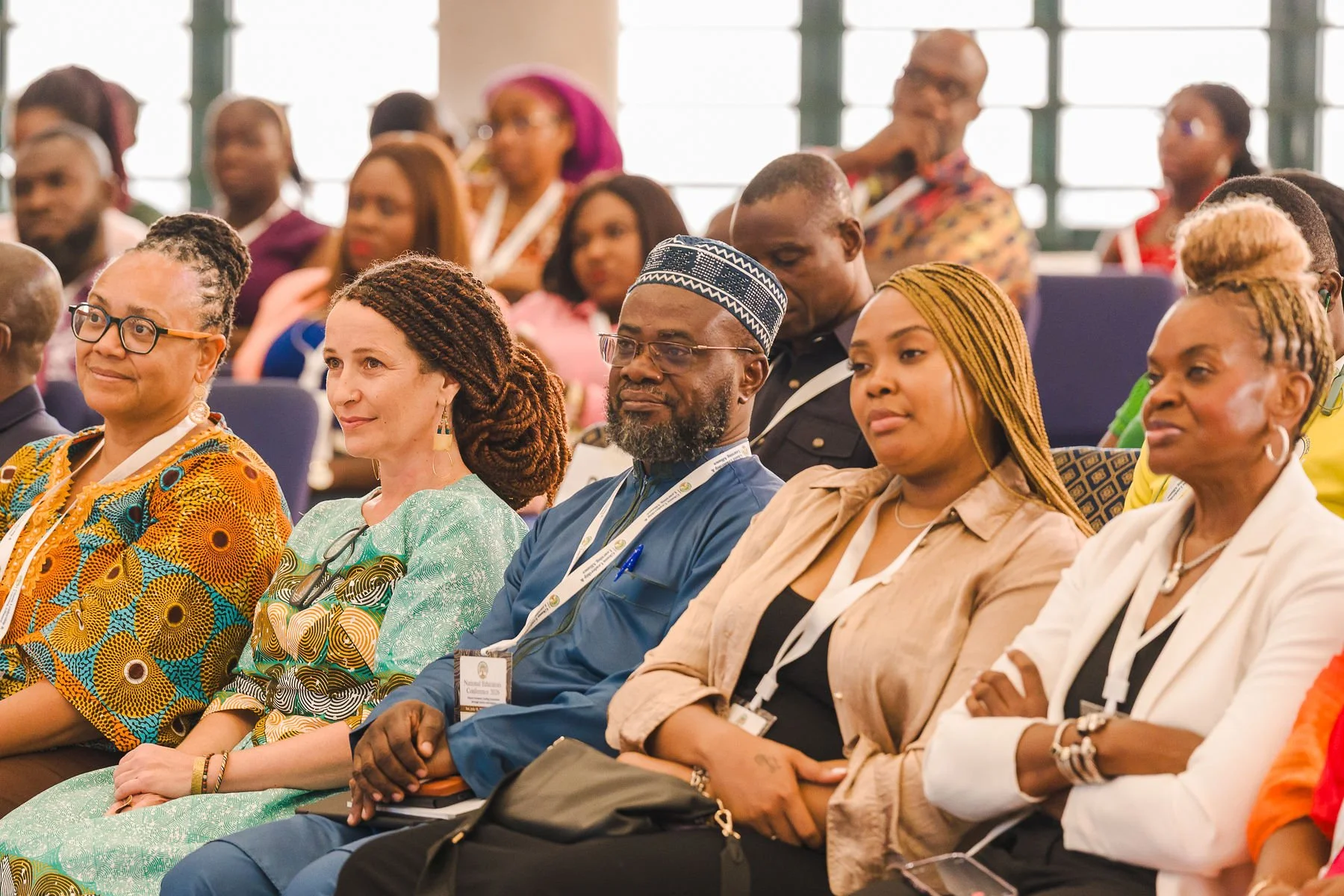
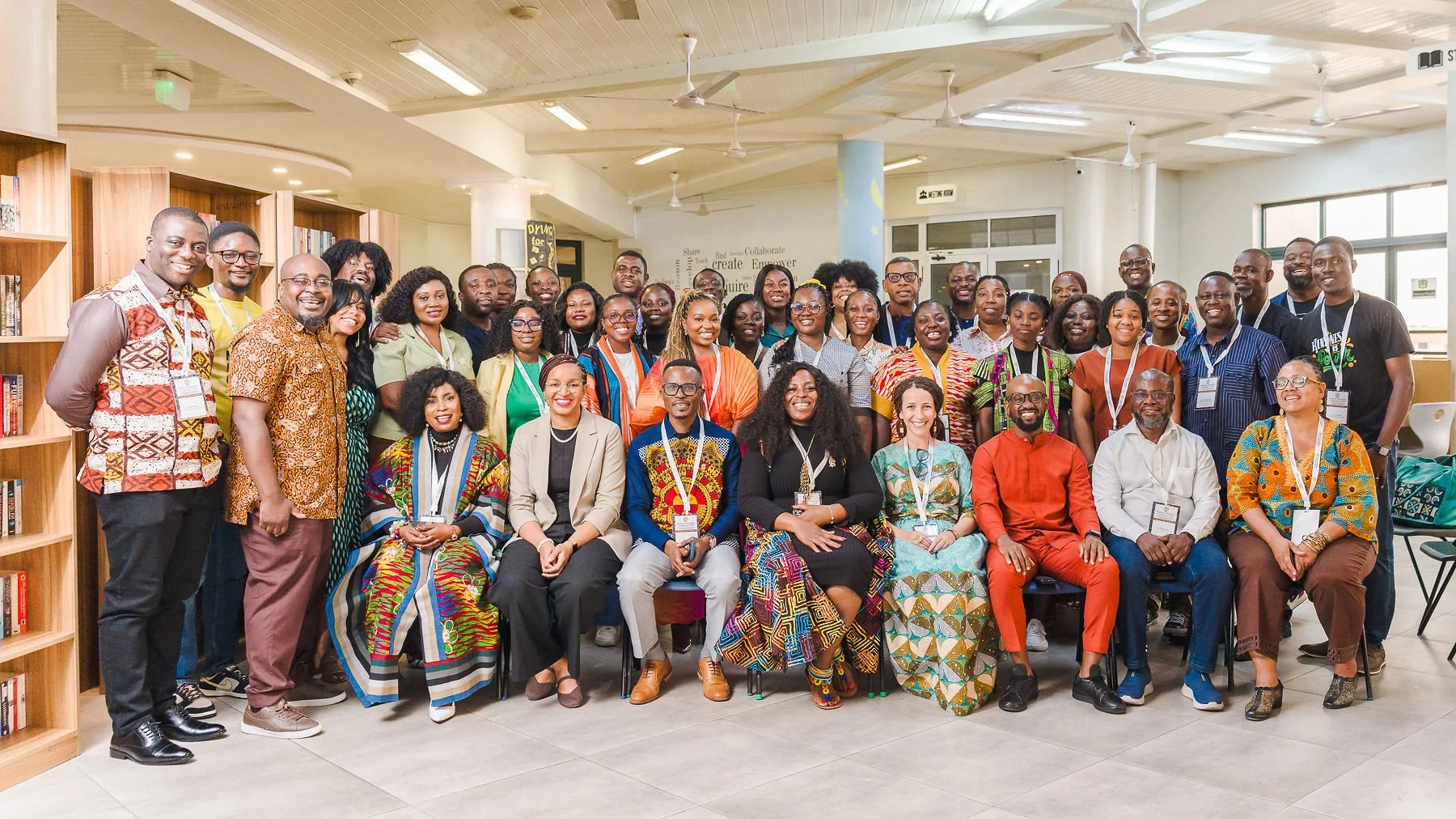
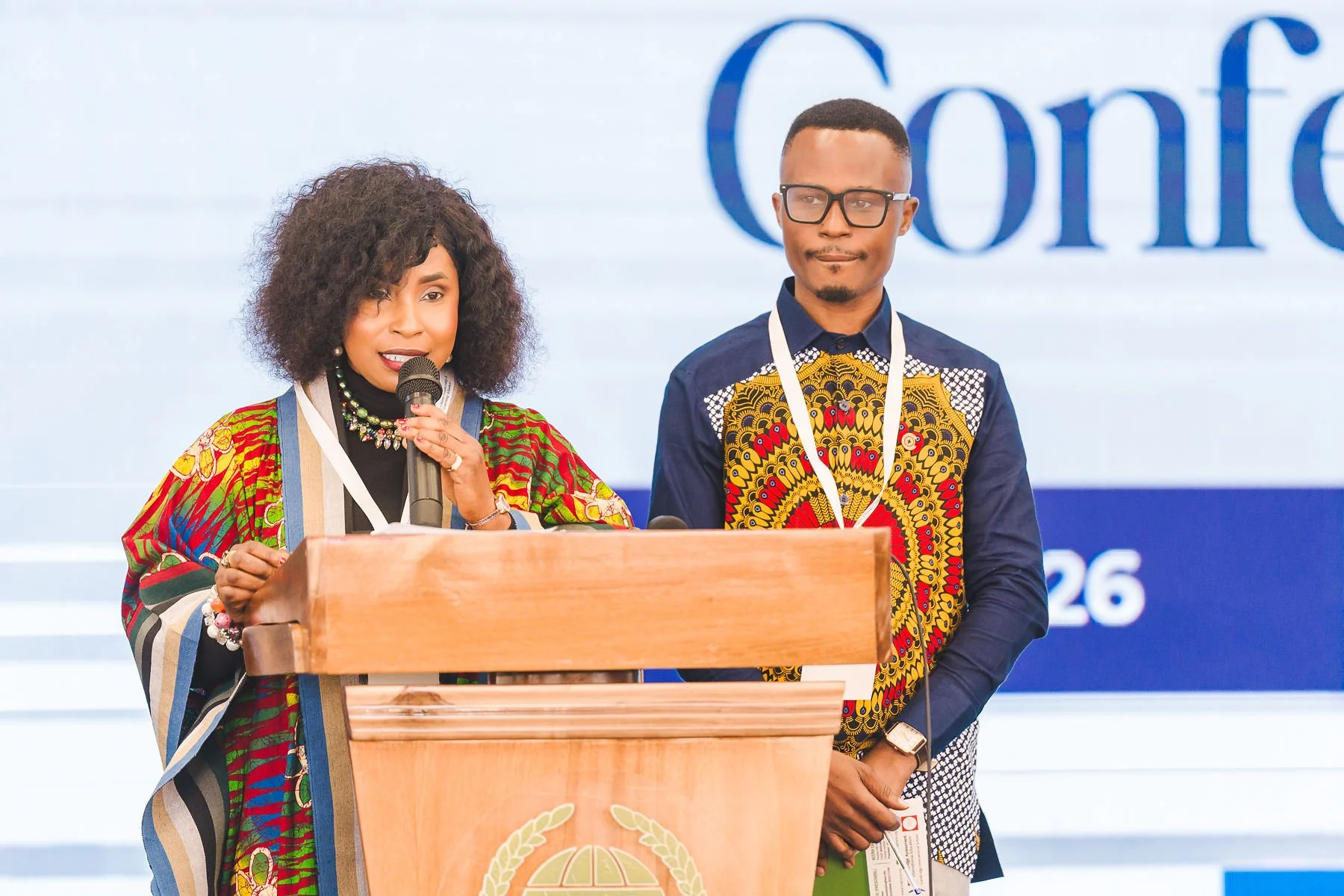
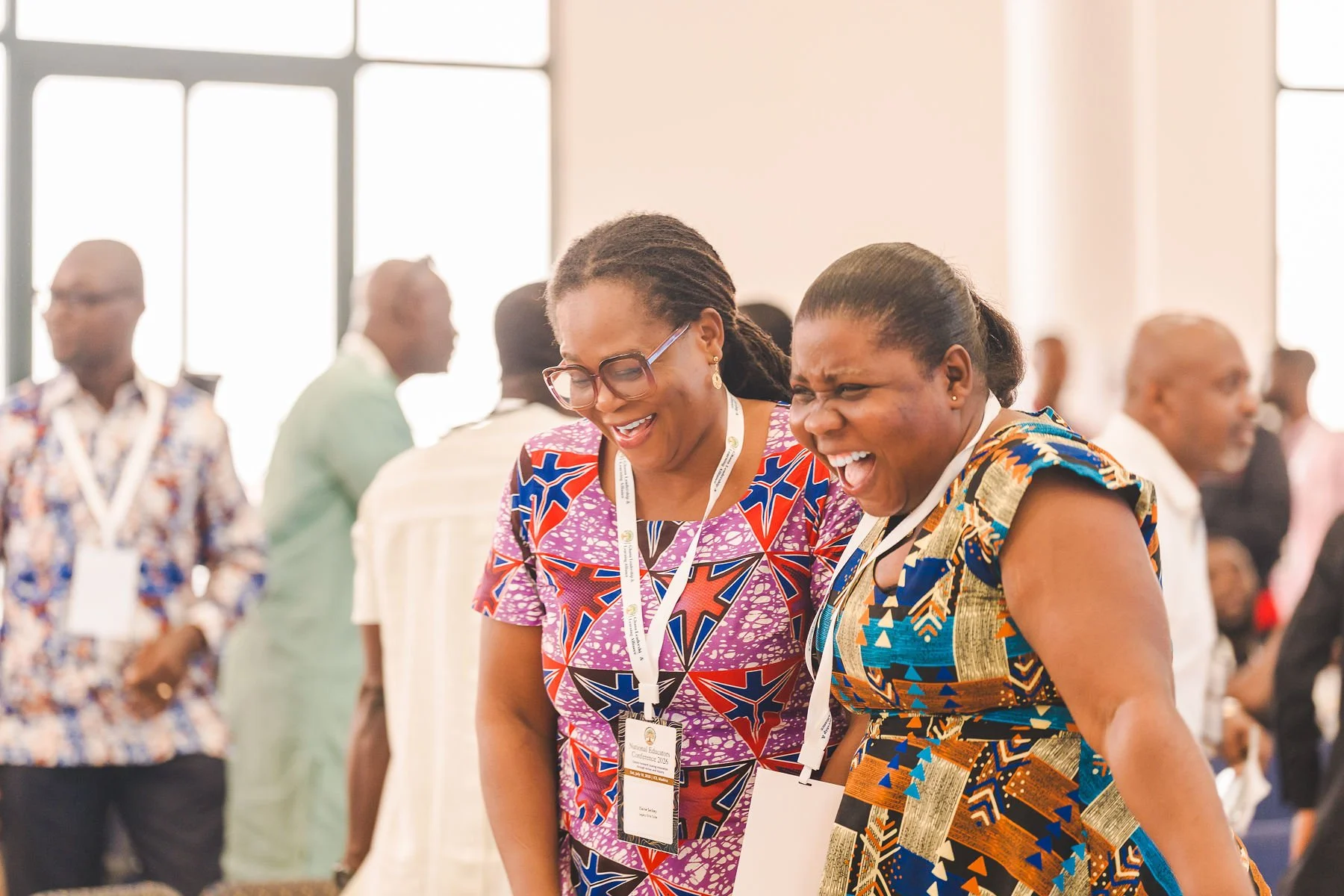
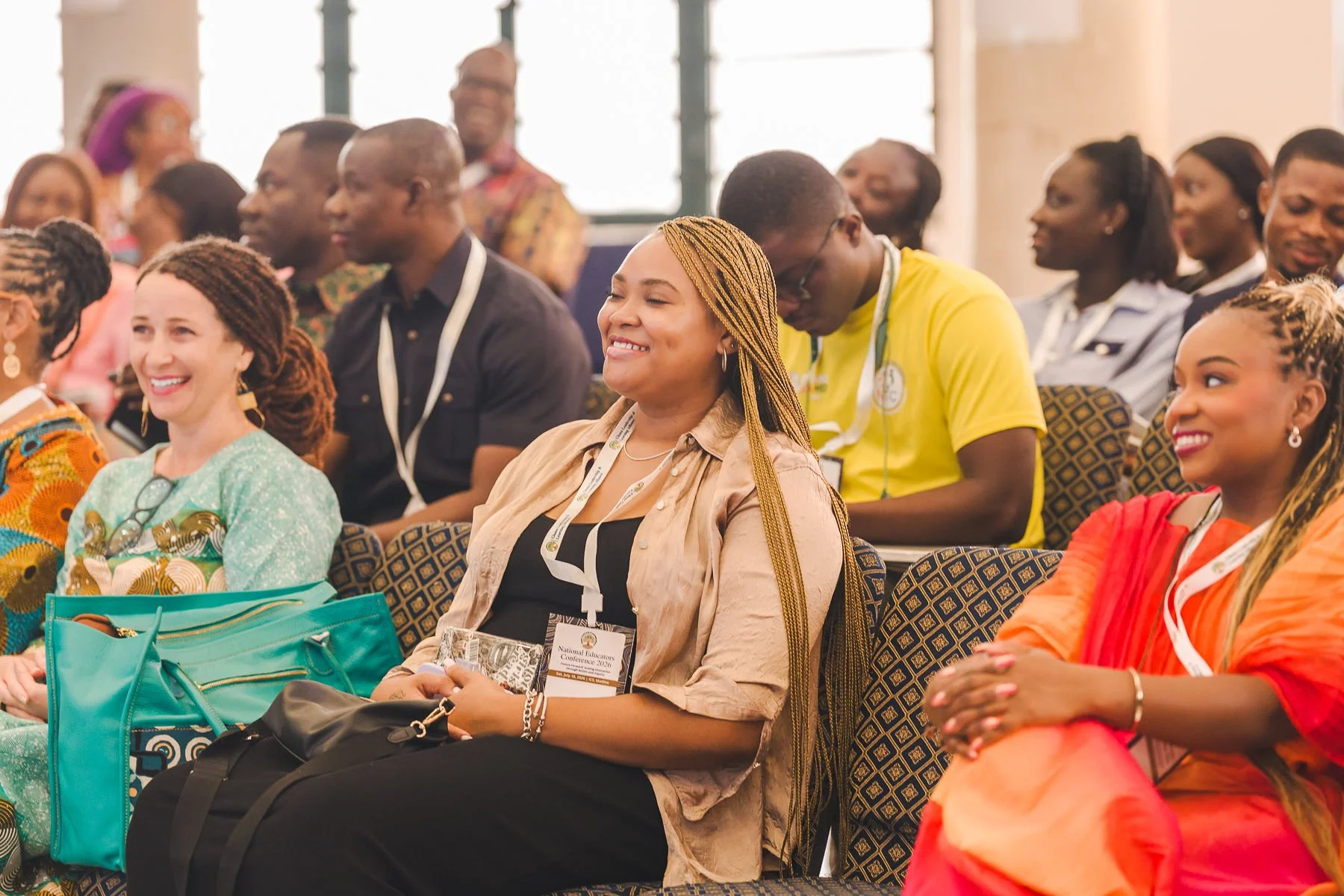
NEC 2026 explored this theme through dozens of workshops and an expert panel focused on five essential strands:
-
Description text goes hereThis strand addresses the critical role of educators in successfully integrating Educational Technology (EdTech) and Artificial Intelligence (AI) to reshape educational landscapes. It explores how leadership teams and teachers can effectively drive curriculum reform and ethical implementation, ensuring that teaching practices align with evolving digital standards.
-
This strand explores how educators are integrating SEL competencies into core academic instruction, adapting classroom management techniques to prioritize relationship-building, and leveraging student voice to co-create positive learning spaces. Concurrently, the strand highlights how leaders are championing SEL by restructuring professional development, creating time and space for teacher wellness (Adult SEL), and implementing data-informed practices to measure and sustain SEL progress across the school community.
-
This strand is dedicated to educators committed to shifting classrooms from teacher-directed instruction to learner-centered environments where students take ownership of their learning. It explores practical strategies for redesigning instruction, utilizing models like Project-Based Learning (PBL) and inquiry, to cultivate student agency, amplify learner voice, and ensure content is relevant and leads to deeper understanding. The goal is to equip educators with the skills to transform assessment and classroom design, making students the drivers of their academic success and growth.
-
This strand is dedicated to helping educators and leaders establish and sustain high-functioning Professional Learning Communities (PLCs) that serve as the engine for continuous improvement. It focuses on the essential components of effective PLCs, including using data to collaboratively set measurable goals, engaging in job-embedded instructional reflection, and developing collective efficacy among team members. The goal is to provide actionable frameworks and protocols for PLCs to move beyond basic collaboration and consistently translate shared expertise into tangible improvements in teaching practice and student outcomes.
-
This strand provides educational leaders with the essential strategies and frameworks for successfully initiating, implementing, and sustaining complex educational change initiatives. It focuses on developing skills in change management, communicating a clear vision, addressing resistance, and building the necessary commitment and buy-in from all stakeholders. The goal is to equip leaders with the expertise to navigate periods of transition effectively, fostering a school culture that is resilient, adaptable, and innovation-ready.
