
International Educators Summit 2025
July 18-20, 2025 | Hybrid Conference: In Accra & Online | International Community School- Madina, Accra, Ghana
Innovating for Impact: Leading & Learning Together for Sustainable Educational Transformation
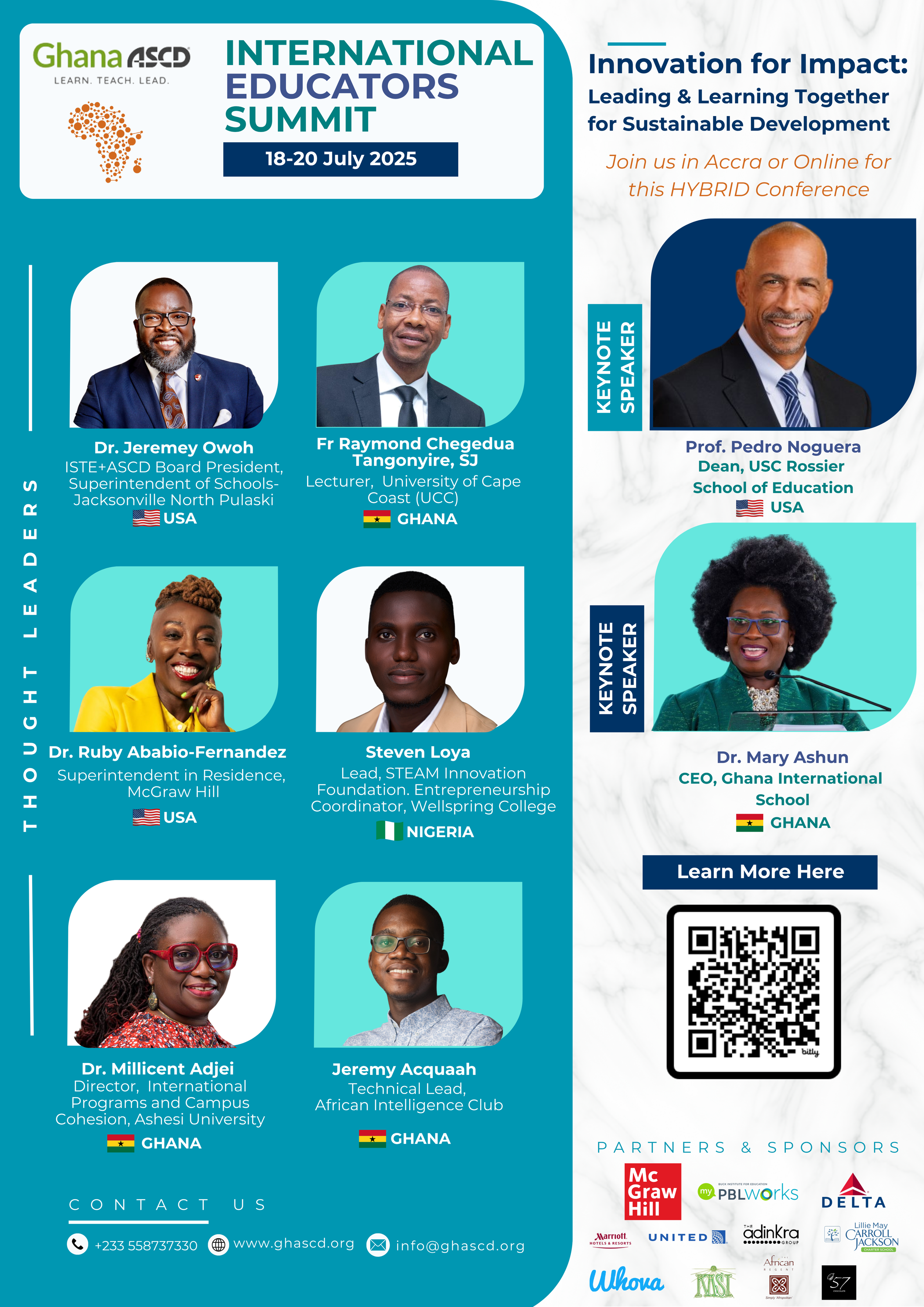
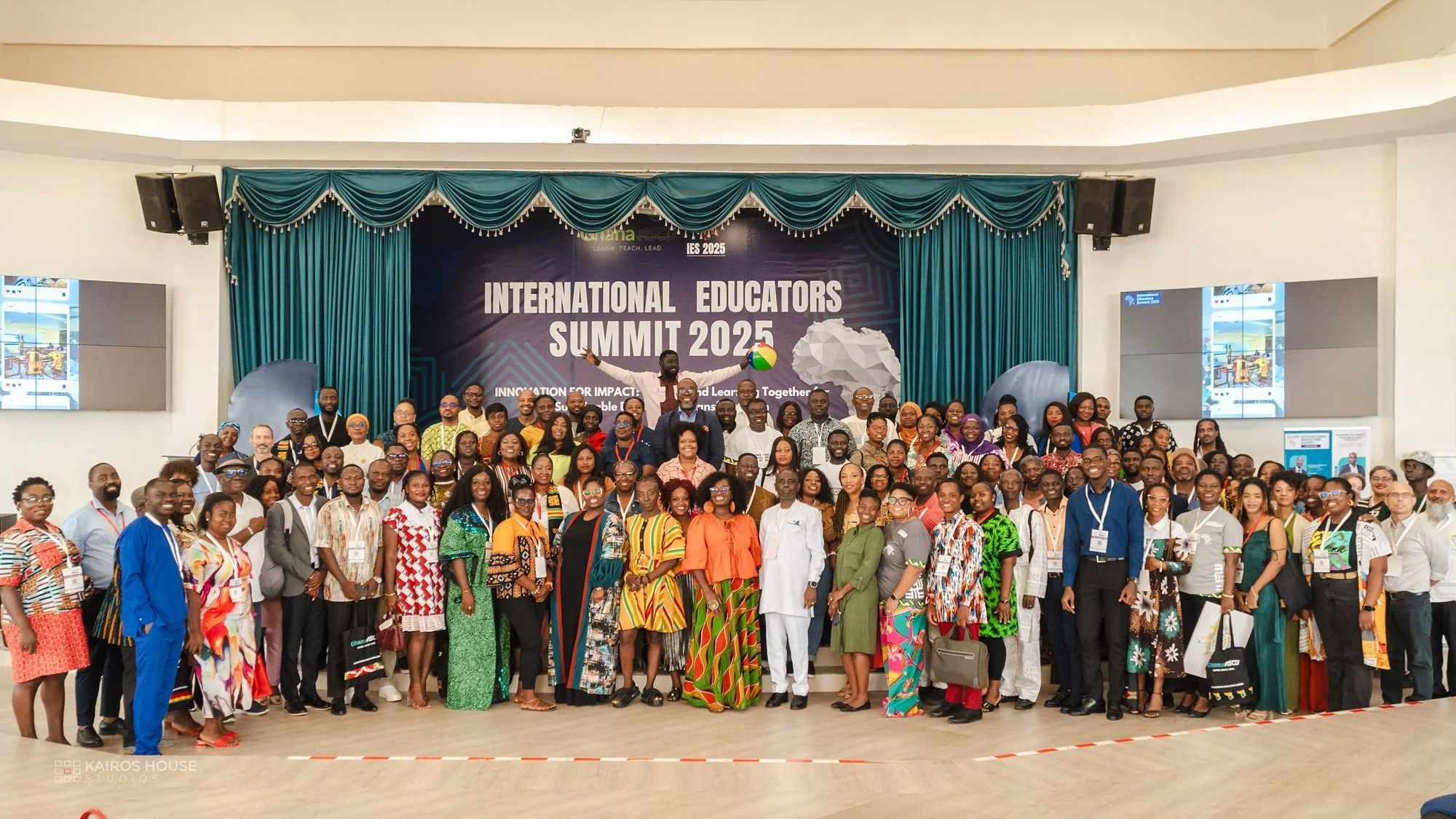
Building on the success of 2024, IES 2025 took place
from July 18–20, 2025, under the theme "Innovation
for Impact: Leading & Learning Together for
Sustainable Educational Transformation.
"
IES 2025 was a hybrid conference, combining
both in-person and virtual participation. This
approach allowed attendees from around the world
to take part in the Summit, whether they were able
to travel to Accra or preferred to join online. This
format has extended the summit from a 3-day
experience to a 3-month experience; participants enjoyed
access to materials on the Whova app
through October 2025.
Participants attending virtually had access to the
same high-quality programming as those on site,
including live-streamed keynote sessions,
interactive learning strands, panel discussions with
opportunities for remote engagement during Q&A
sessions.
By offering a hybrid option this year, IES showed its
commitment to expanding reach, enhancing
collaboration, meeting the needs of a diverse global
education community and enacting our theme,
“Innovation for Impact.

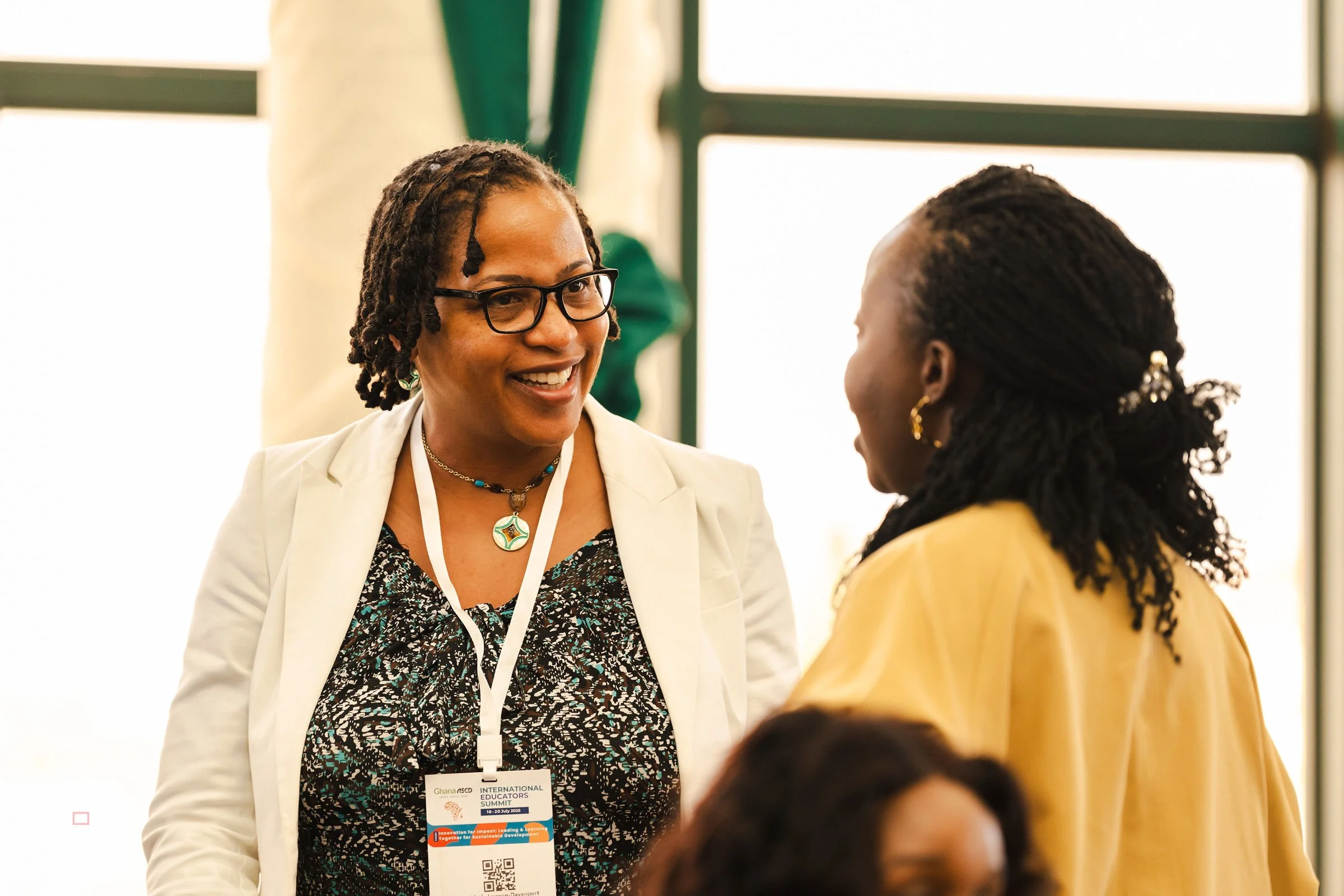
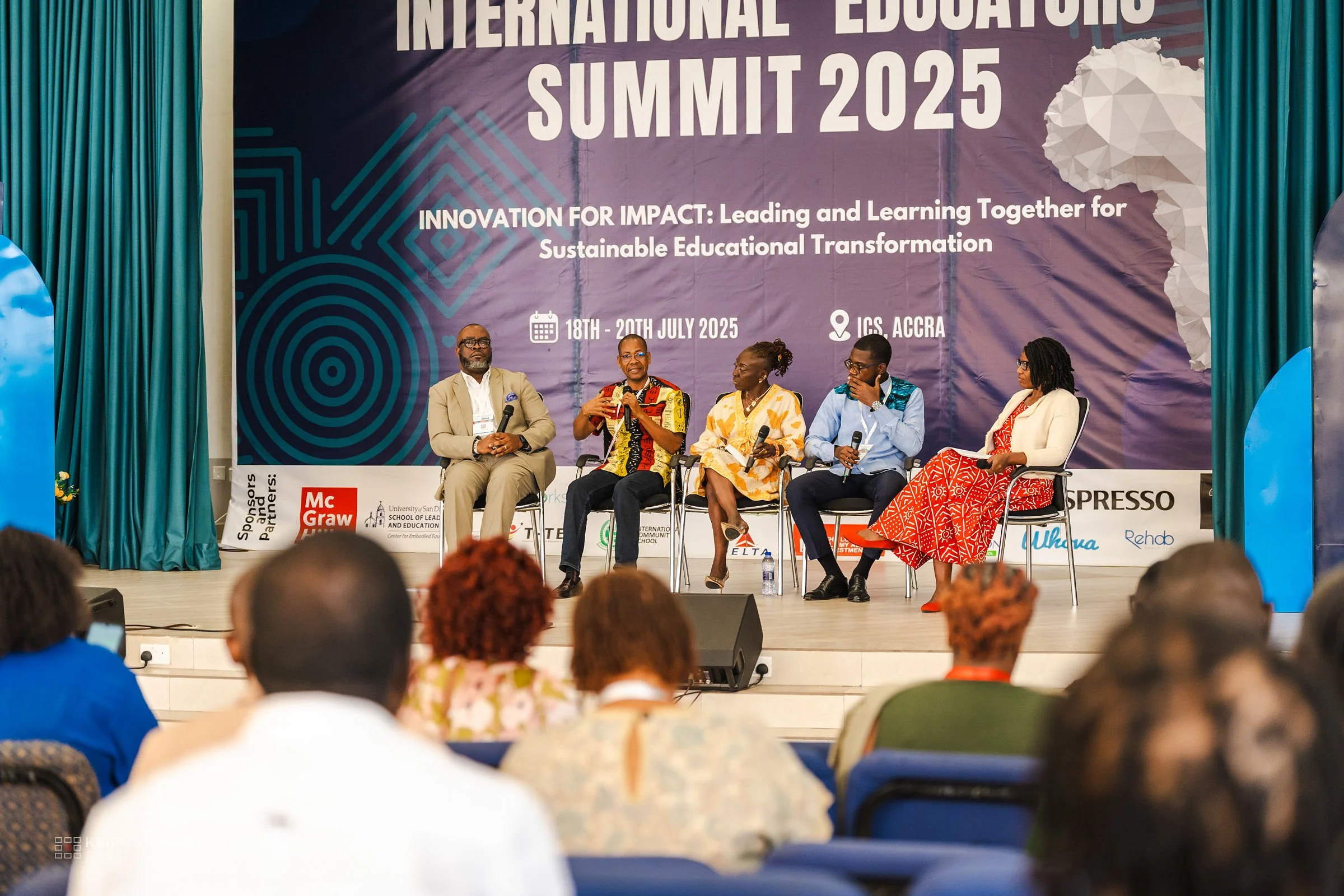

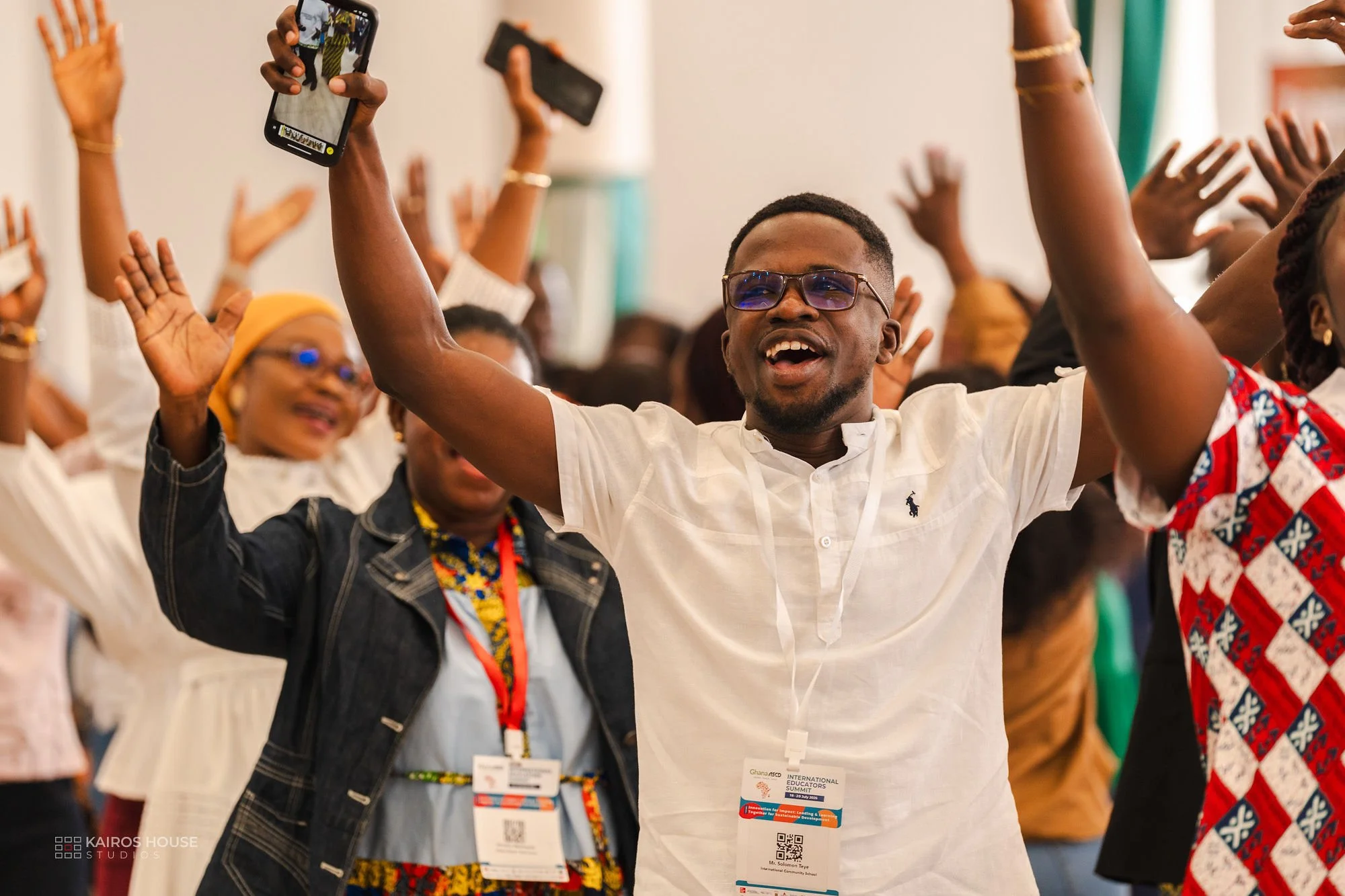
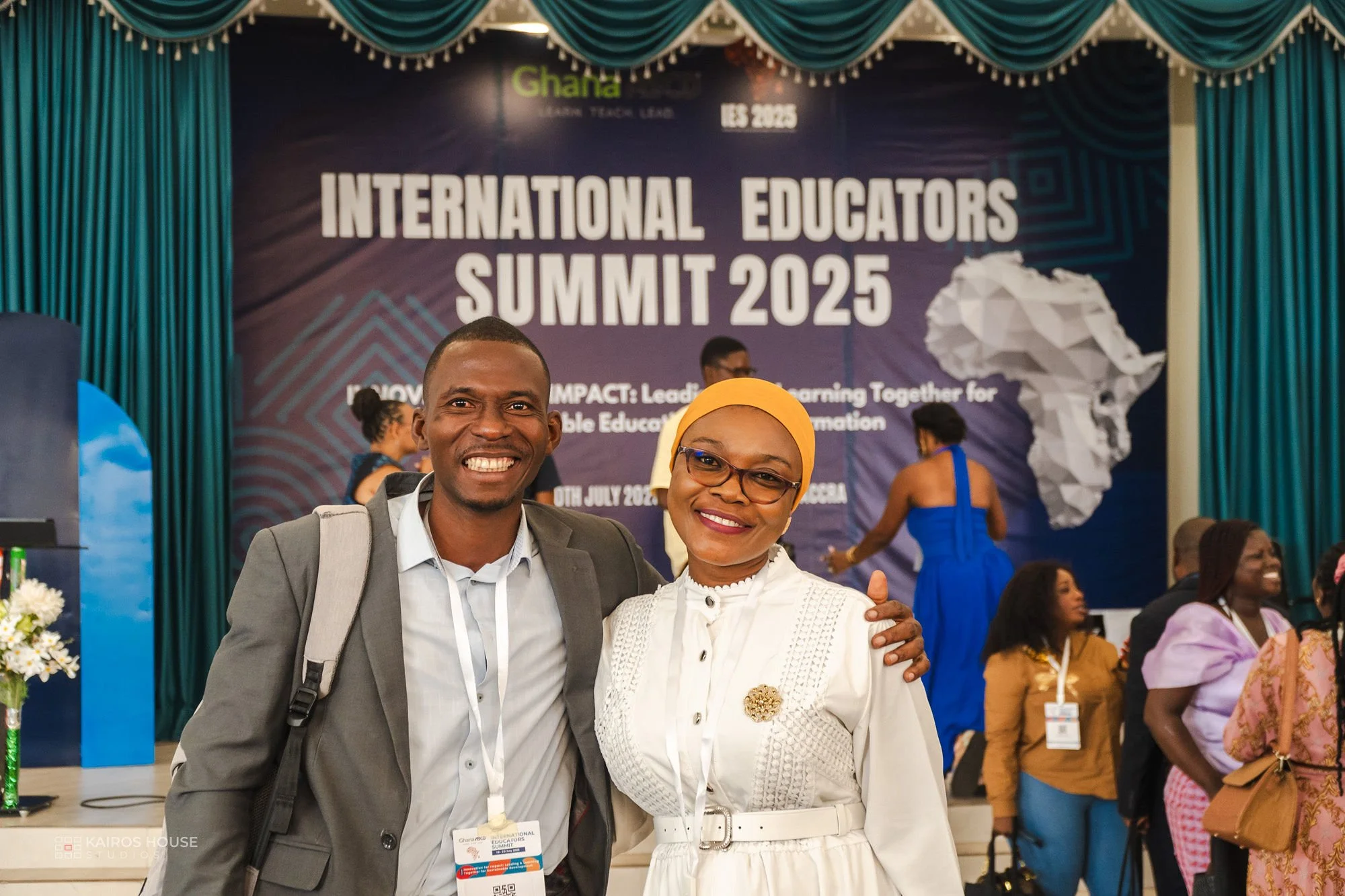
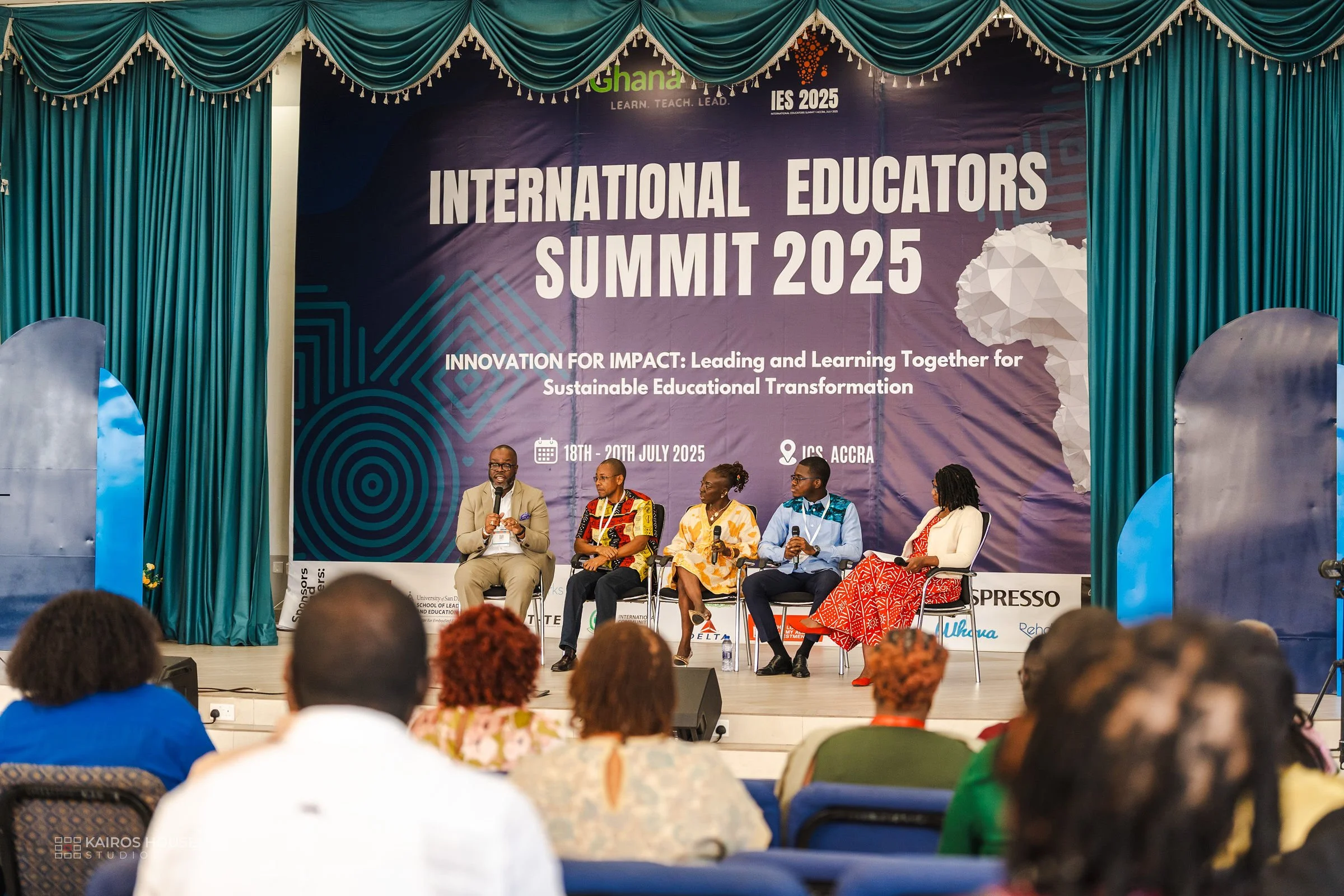
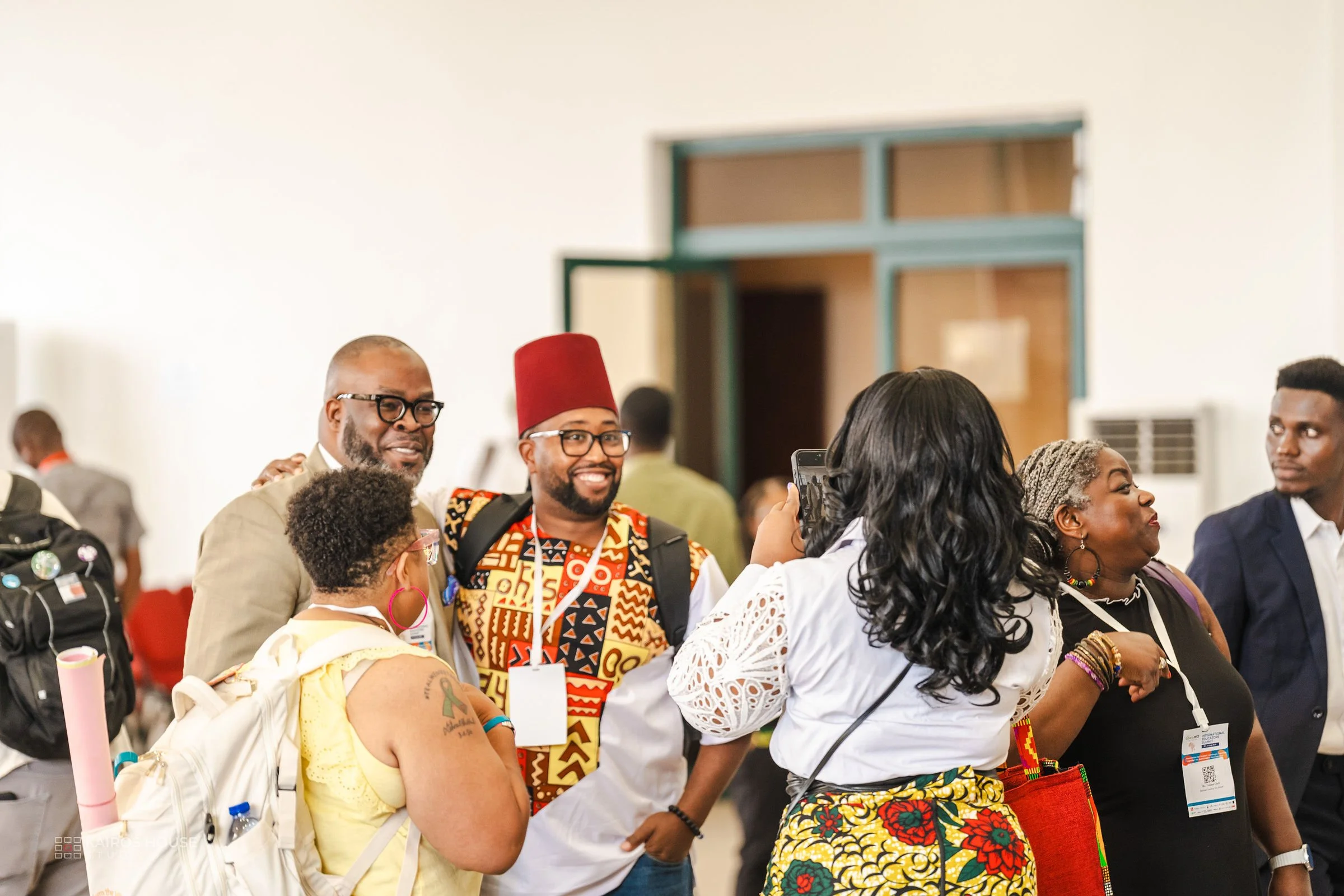

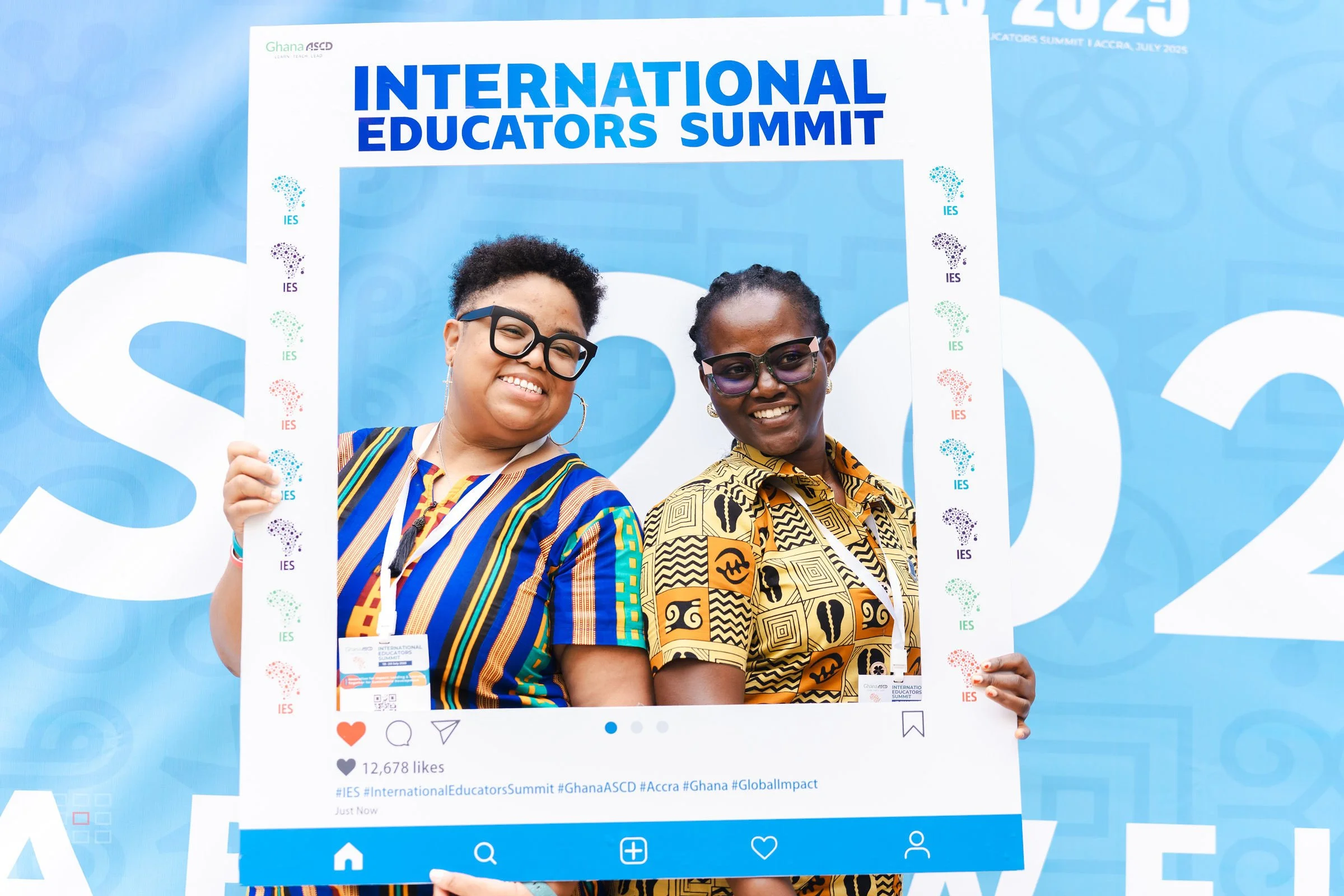
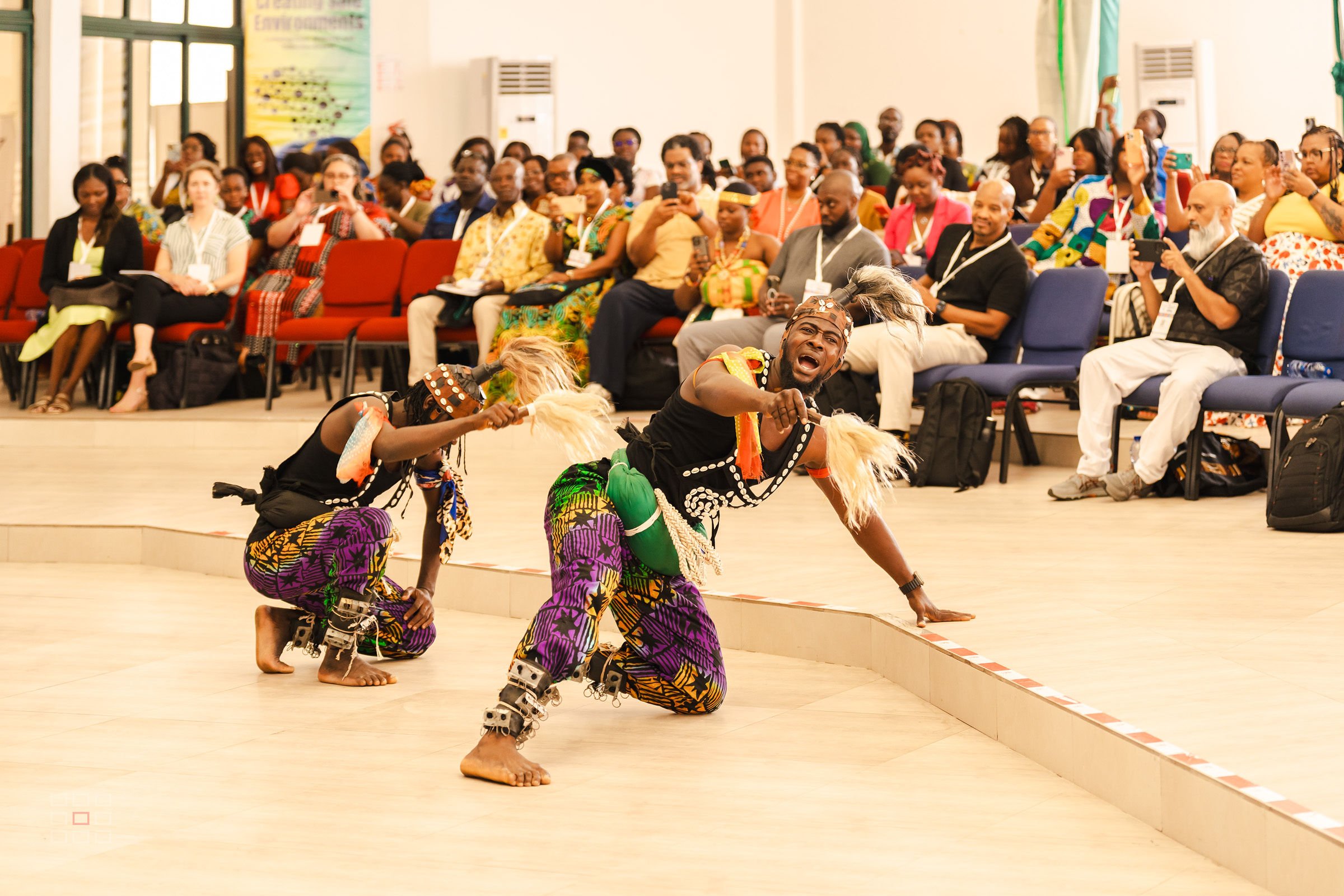
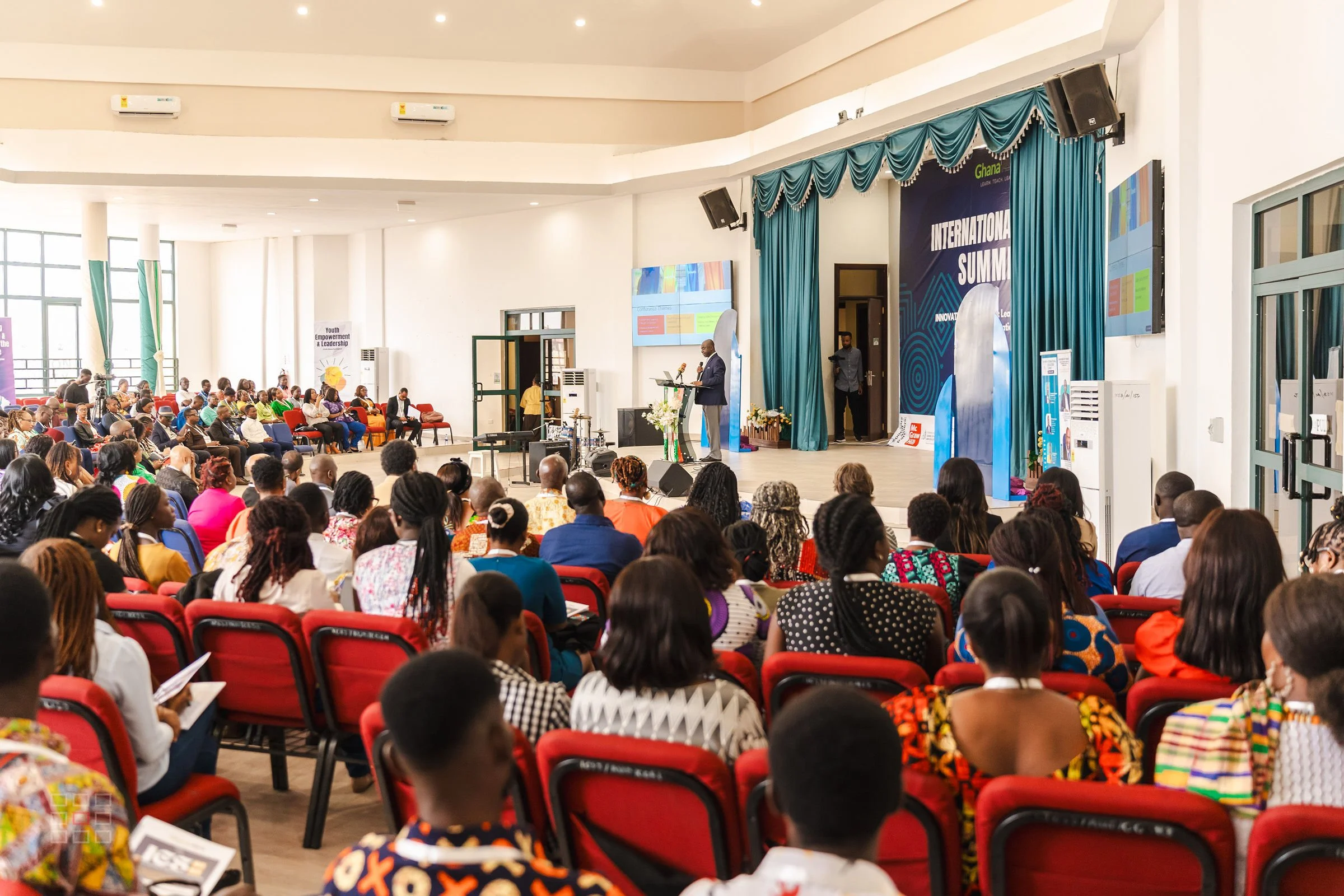
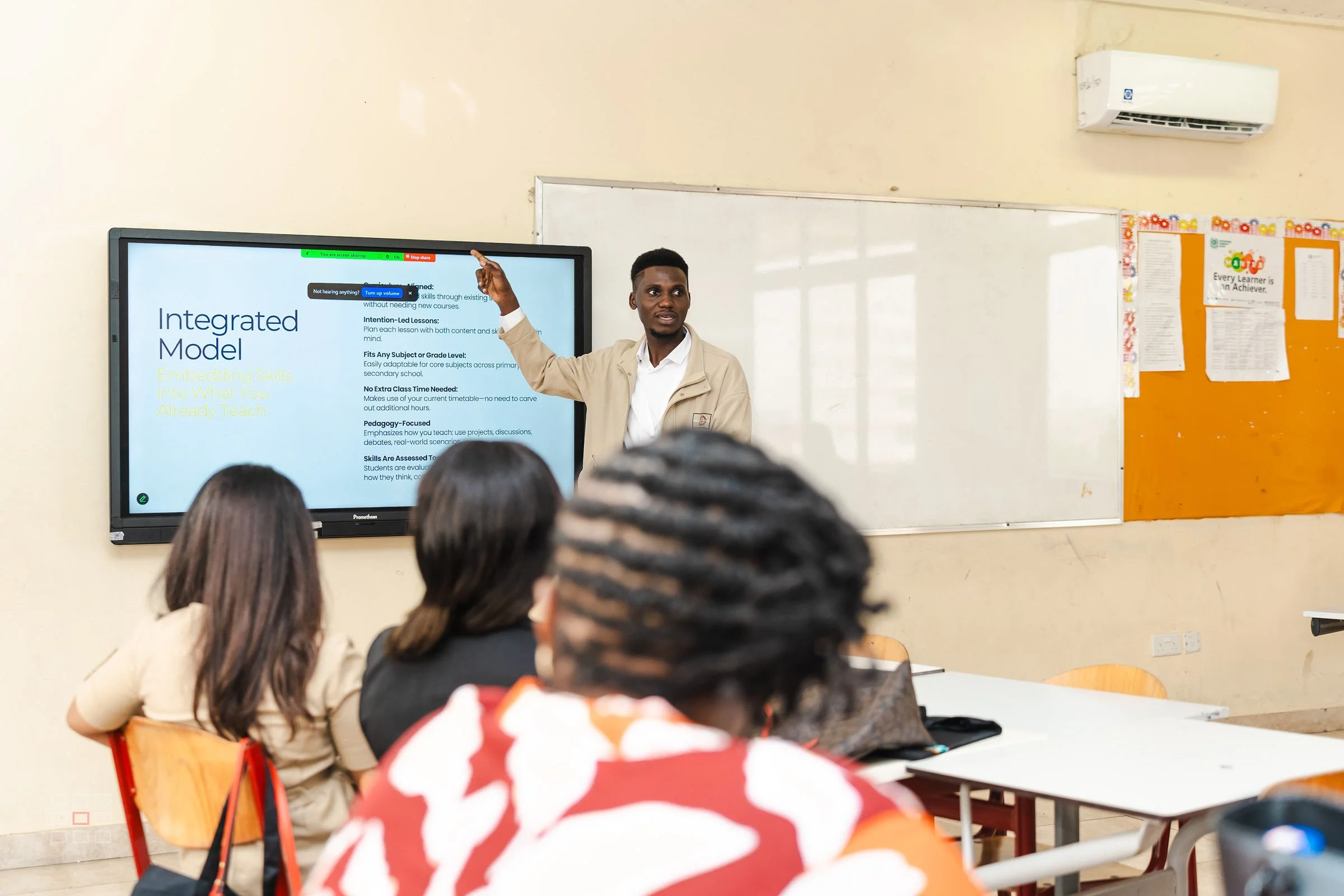
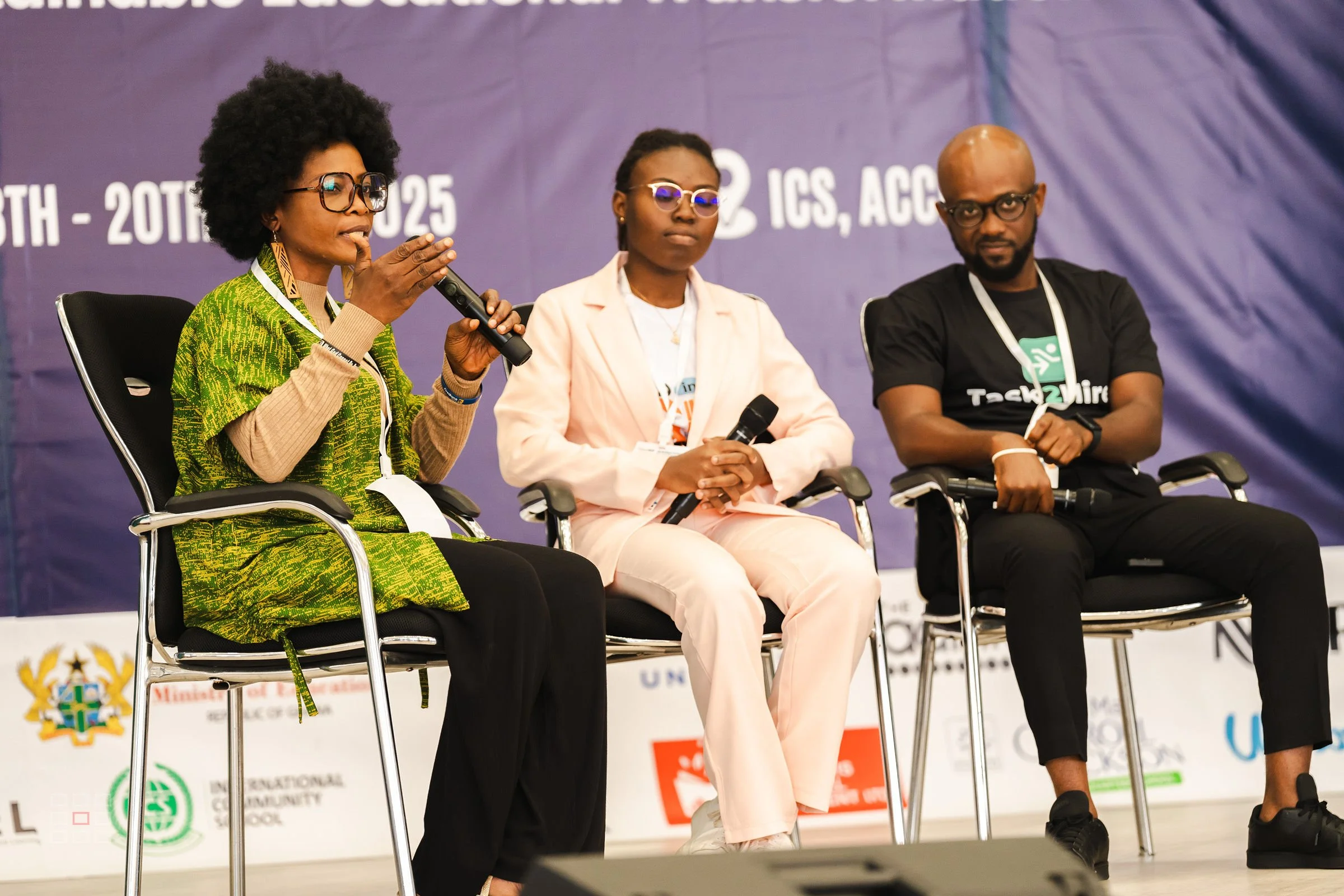
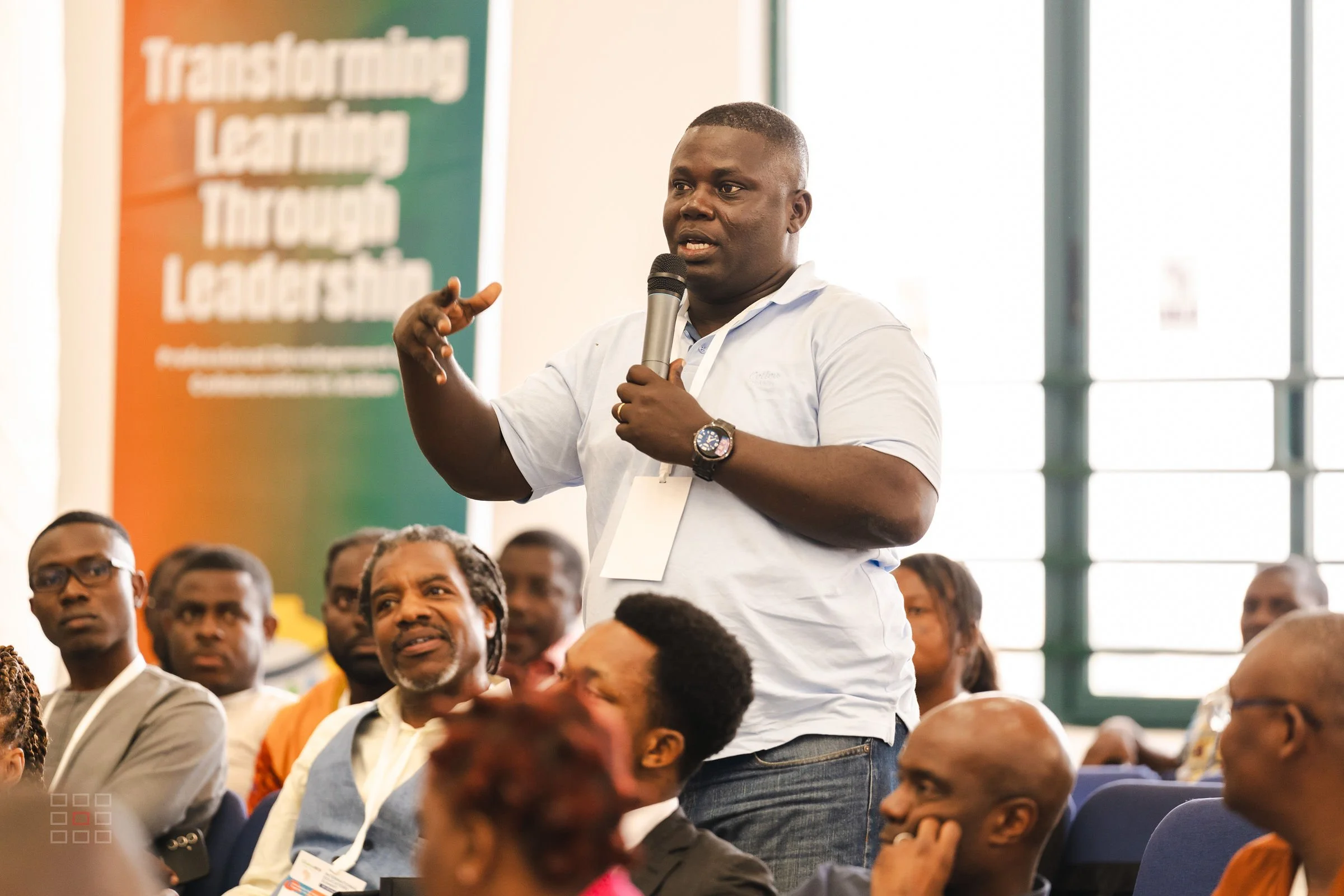
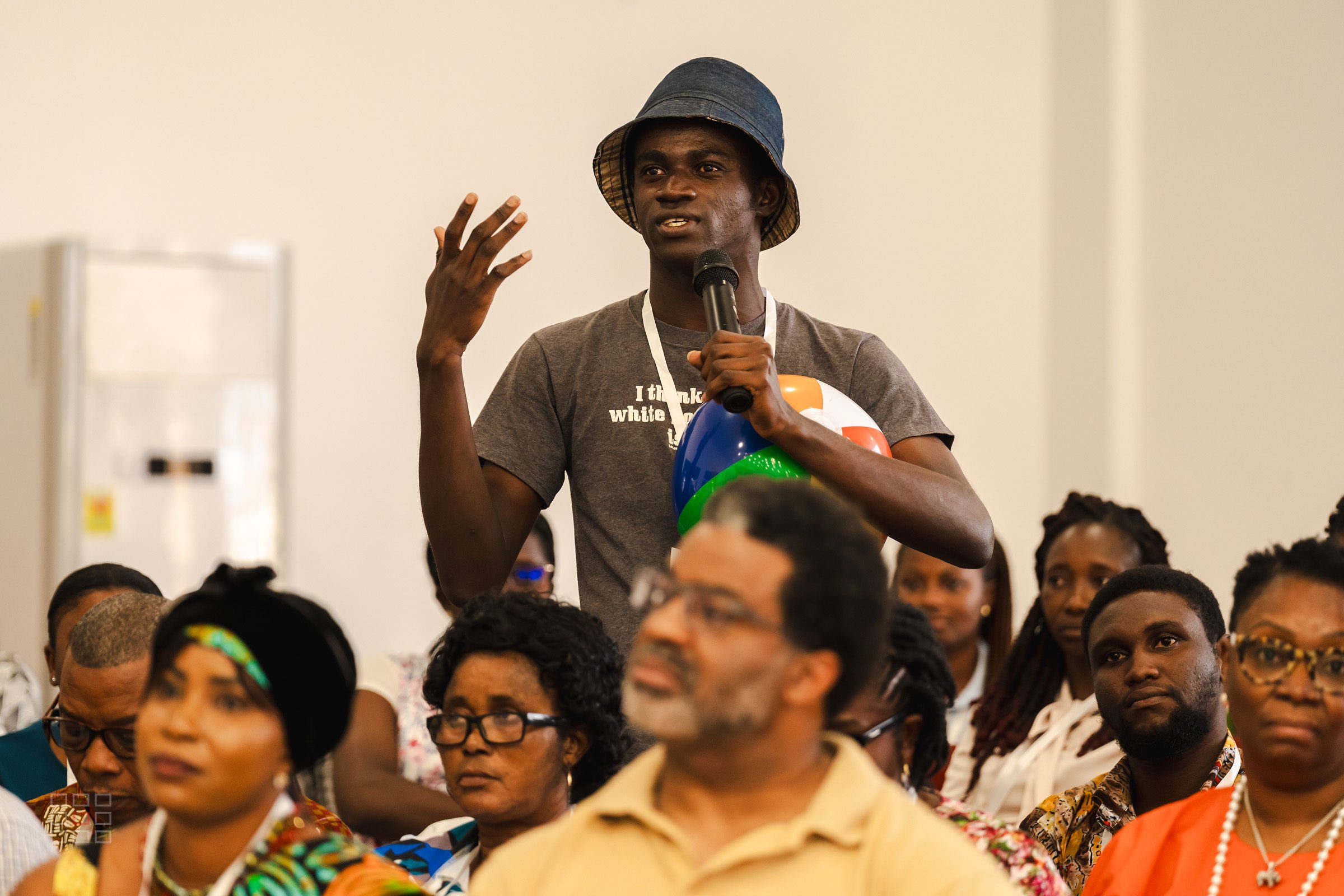
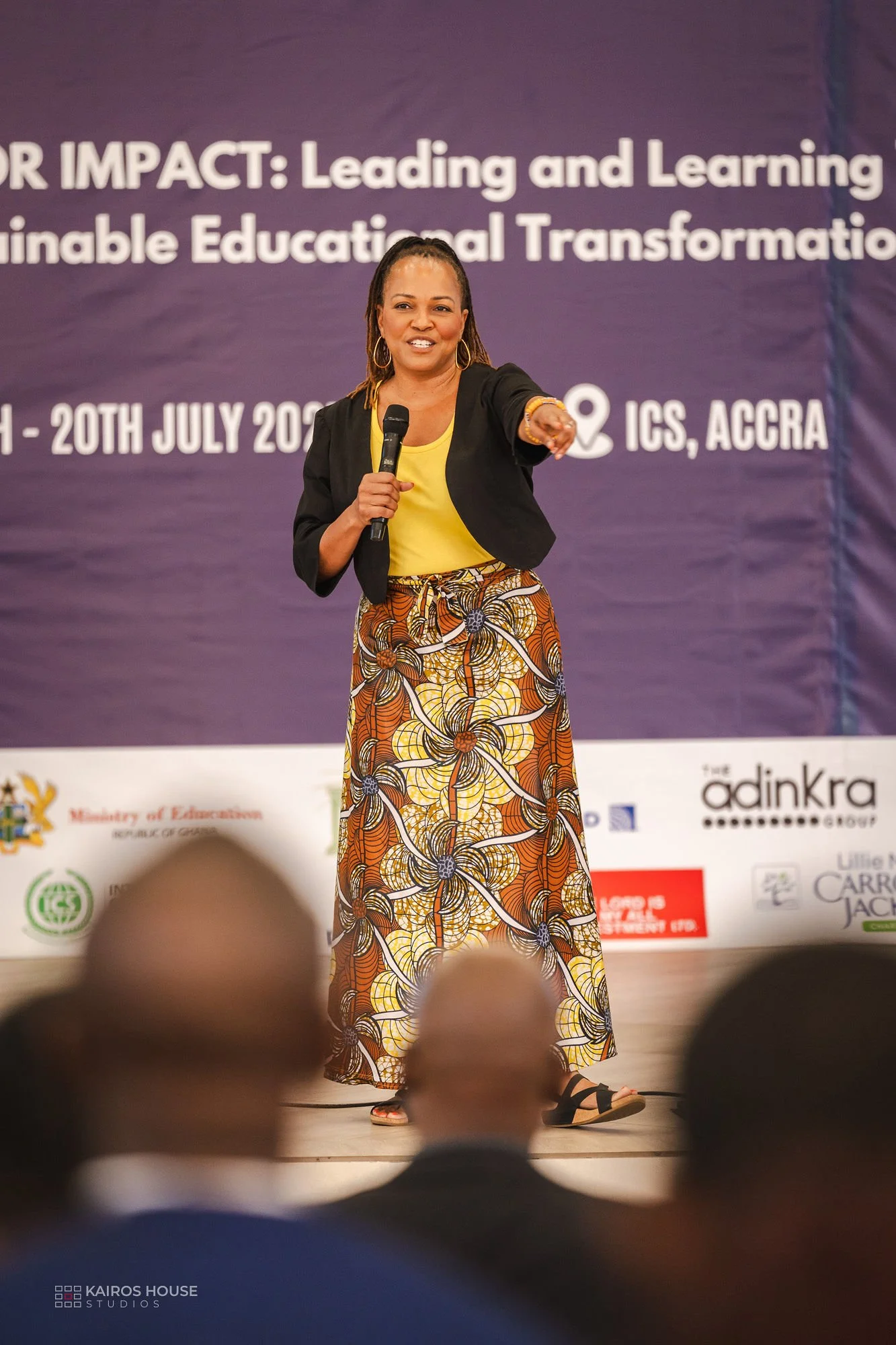

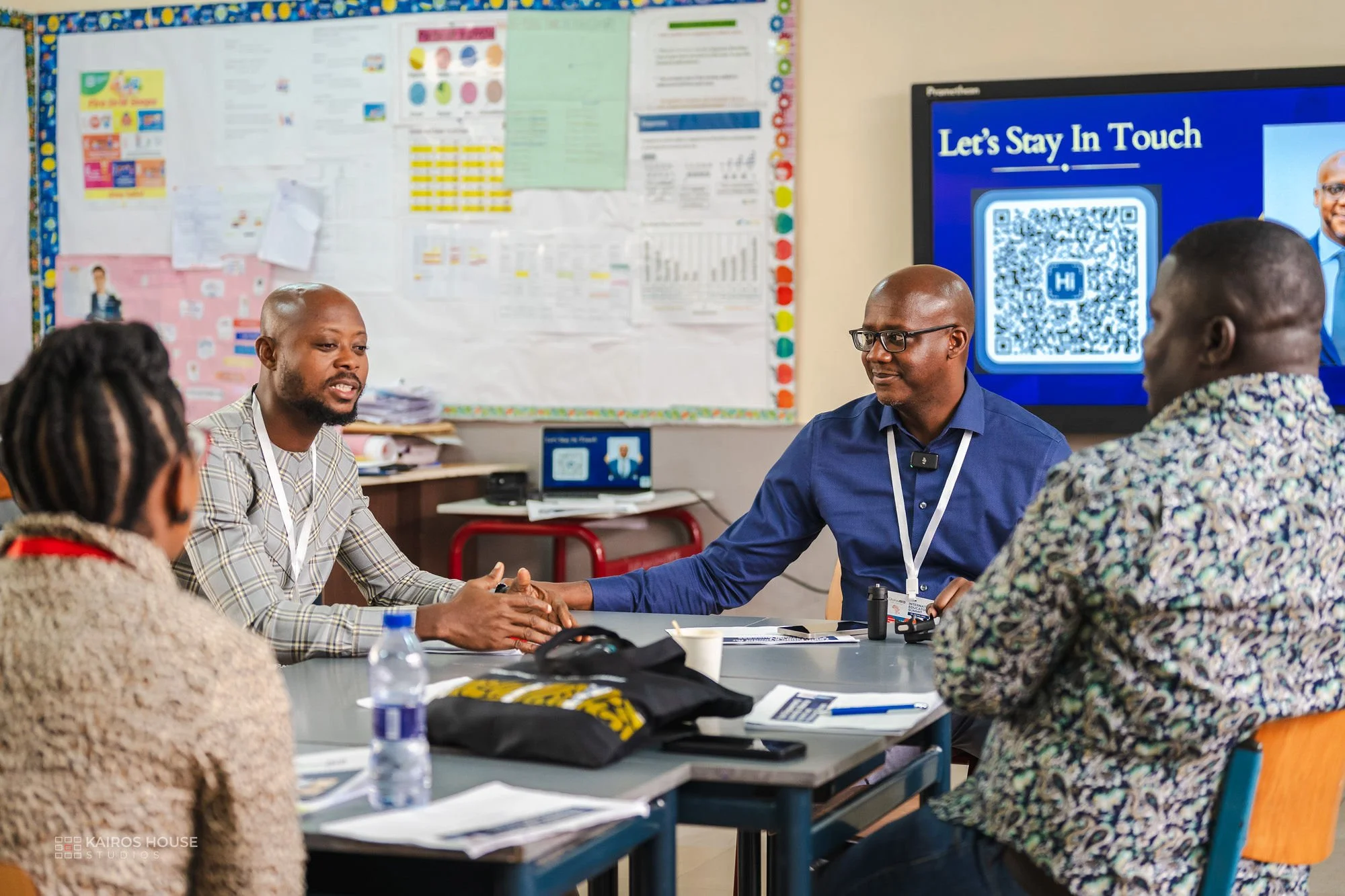
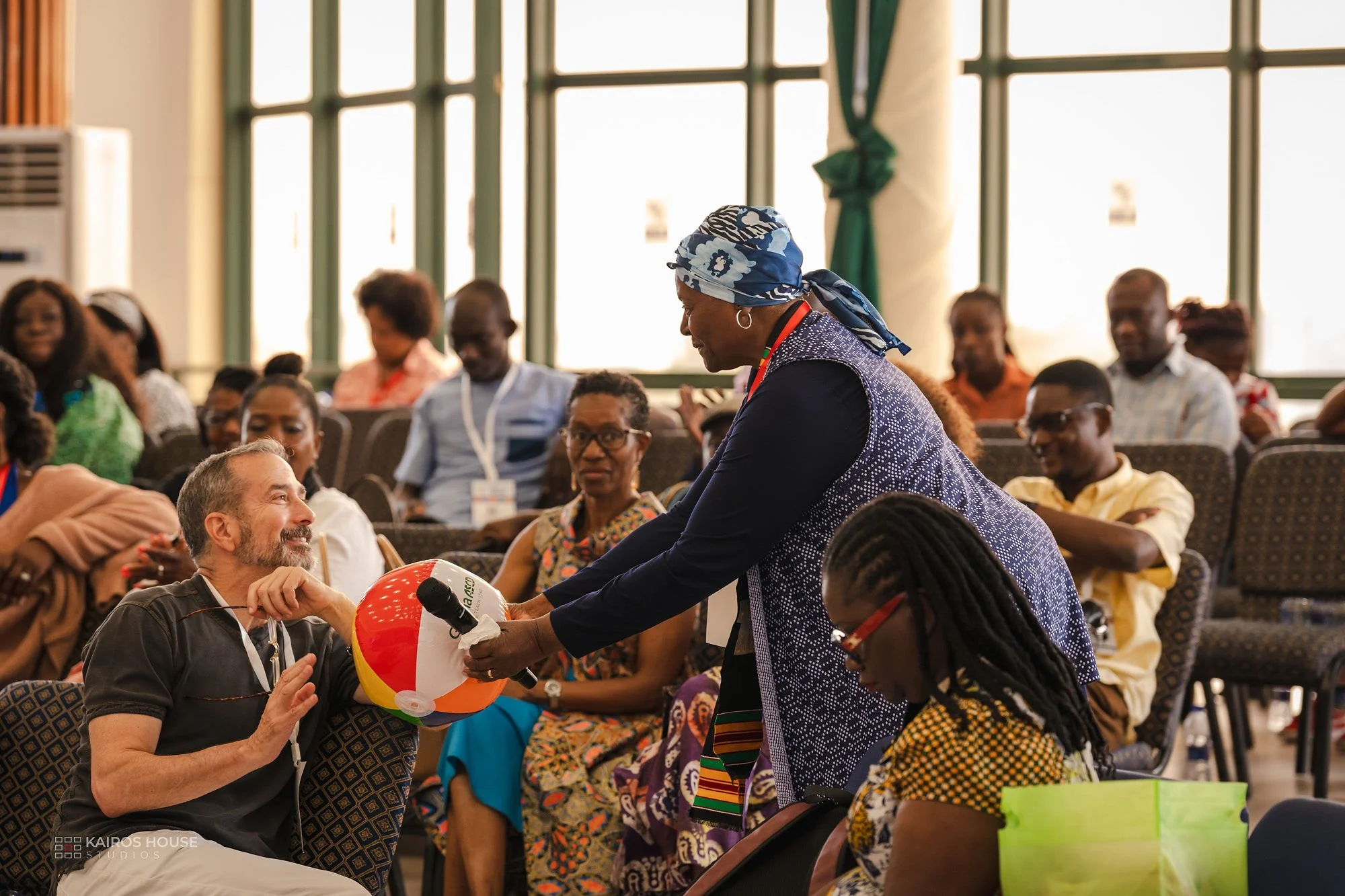
This year’s conference theme was explored through keynotes panels, and over 100 workshops that addressed six strands.
Three strands of learning were focused on Leadership
Three strands were focused on Student Learning
Explore these strands below.
-
The critical role of leadership involves reshaping educational landscapes through intentional collaboration and ongoing professional growth. This strand explores how leadership teams can effectively drive curriculum reform and implementation, ensuring that teaching practices align with evolving educational standards. By fostering distributive leadership, the strand highlights the power of shared responsibility and collective expertise in creating dynamic, learner-centered environments.
Thought Leader: Dr. Jeremy Owoh, ISTE+ASCD Board President, Superintendent of Schools, Jacksonville North Pulaski, Arkansas
-
Empowering youth through education means equipping them with skills, knowledge, and confidence to shape their futures and drive change. This strand focuses on leadership, critical thinking, and problem-solving while fostering self-awareness, resilience, and collaboration. By creating conditions for empowerment in education, we prepare learners to excel academically and lead impactful change in their communities.
Thought Leader: Jeremy Acquaah, Technical Lead, African Intelligence Club
-
Explore the vital role of creating safe and supportive environments in educational settings, where physical, mental, and social-emotional wellness are prioritized. Sessions under this theme will highlight practical strategies for building resilience, promoting inclusivity, and addressing disparities that affect wellbeing.
Thought Leader: Fr Raymond Chegedua Tangonyire, SJ, Lecturer, University of Cape Coast (UCC)
-
Rooted in student-centered education, this strand examines what it means to design classrooms where students are engaged in decisions about what and how they learn. It explores the role of pedagogy in fostering both academic and cognitive growth, emphasizing teaching strategies that enable students to share ownership of their learning and assessment approaches that are tools for empowerment so that students thrive in and beyond the classroom.
Thought Leader: Dr. Ruby Ababio-Fernandez, Superintendent in Residence, McGraw Hill
-
The integration of Artificial Intelligence (AI) and STEM (Science, Technology, Engineering, and Mathematics) is reshaping how we learn, work, and innovate. This strand explores the transformative power of emerging technologies in equipping individuals with the skills needed for the future, emphasizing the pivotal role of AI and ICT in education and workforce development.
Thought Leader: Steven Loya, Lead, STEAM Innovation Foundation. Entrepreneurship Coordinator, Wellspring College
-
This strand addresses disparities between rural and urban education systems and highlights the need for inclusive strategies and differentiated instruction to support learners of all genders and special needs. It emphasizes bridging gaps in resources, infrastructure, and teacher training to create an equitable and inclusive educational landscape. The goal is to ensure every learner can thrive and reach their full potential.
Thought Leader: Dr. Millicent Adjei, Director, International Programs and Campus Cohesion, Ashesi University
